Best Pet Toys for Every Type of Pet Are You Choosing Right?
Choosing the right pet toys is crucial for our furry friends' well-being. Recent reports show that the global pet toy market is projected to reach $4.3 billion by 2027, reflecting the increasing importance placed on pet care. Pet toys provide not only entertainment but also mental stimulation and exercise, vital for keeping pets healthy and happy.
However, with this vast array of options, pet owners often struggle to select the most appropriate toys. The variety can overwhelm, leading to choices that may not meet a pet's needs. Not every toy enhances physical activity or cognitive engagement. Choosing the wrong toy can also lead to safety concerns, highlighting the need for informed decisions.
Industry experts recommend considering a pet's size, age, and personality when selecting toys. Some toys may look appealing but could harm pets. Ensuring a safe environment while providing engaging toys can be a daunting task for any pet owner. Making educated choices is essential in navigating the pet toy landscape, ensuring pets receive the best for their unique requirements.
Choosing Pet Toys: Understanding the Needs of Different Pets
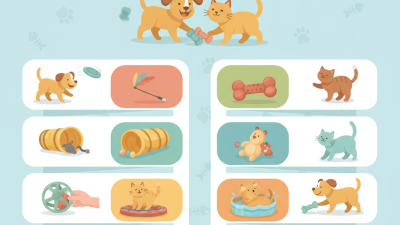
When selecting pet toys, it's crucial to understand each pet's unique needs. Dogs often crave interactive toys that stimulate their intelligence. Puzzle toys promote problem-solving skills. They can also help prevent boredom, which leads to destructive behavior. On the other hand, cats often enjoy toys that mimic prey, such as feathers or balls. They require toys that allow for swatting and stalking. This taps into their natural hunting instincts.
Rabbits and small rodents have different requirements. They often need toys that are safe to chew on. Natural wood, paper, or hay-based toys are ideal for them. These materials satisfy their chewing instincts while ensuring their safety. Fish and reptiles, meanwhile, typically don't play with toys like mammals do. They thrive in environments that stimulate their natural behaviors, so consider decorations that mimic their habitat.
While one might think a universal toy can suffice, this isn’t true. Each species has specific needs that require careful consideration. Not every toy is suitable for every pet. Investing in the right toys enriches their lives. Observing how your pet interacts with toys can offer insight into what they truly enjoy. Reflection is vital; a toy that worked yesterday may not engage them tomorrow.
The Importance of Play: How Pet Toys Contribute to Health and Well-being
Play is essential for every pet's well-being. It nurtures their physical health and fosters mental stimulation. Experts emphasize that playtime reduces stress and combats obesity in pets. According to the American Pet Products Association, 70% of pet owners believe toys enrich their pets’ lives. However, not all toys are created equal. Choosing the right toy requires understanding your pet's needs.
For instance, dogs thrive on interactive toys that challenge their minds. Cats, on the other hand, often enjoy toys that mimic hunting behavior. A study published in the Journal of Veterinary Behavior indicates that pets who regularly engage with toys have improved cognitive functions. Yet, many pet owners overlook this aspect and choose toys based solely on appearance. The impact of this choice can be significant.
Quality matters in pet toys. A durable toy can prevent choking hazards. However, pets can grow bored of toys quickly. This might lead to destructive behavior if they lack engaging options. It’s crucial for owners to rotate toys and introduce new ones. By doing this, pets remain mentally stimulated and happy. Exploring various toys can ultimately enhance their overall health.
Material Matters: Safe and Durable Toy Options for Various Pets
Choosing the right pet toy involves understanding materials and their safety. Many toys can seem appealing, but not all are created equally. For example, soft toys may attract your dog, but if they're made of harmful substances, they pose a risk. Always check labels and choose toys free from toxins. Natural rubber and cotton are good materials to consider. They are both safe and durable for pets.
Cats often enjoy toys that stimulate their hunting instincts. Opt for balls made from non-toxic materials or feather toys with secure attachments. Leather can also be a smart choice; it’s durable and satisfies their chewing needs. However, be cautious of shredded pieces, as they can pose choking hazards. Reflect on what your pet enjoys most and consider their behavior when selecting new toys.
Small pets like hamsters or rabbits need different types of toys. Wooden chew sticks made from untreated wood are safe. They help with dental health and keep pets engaged. Some toys may break easily, leading to sharp edges or splinters. Always assess the condition of toys regularly. Engage with your pet during play to monitor safety.
Best Pet Toys for Every Type of Pet: Material Matters
Expert Recommendations: Top-Rated Toys by Pet Type and Behavior
Selecting the right toy for your pet is crucial for their happiness and well-being. According to a survey by the American Pet Products Association, 68% of U.S. households own a pet. Each pet type has unique needs and behaviors that influence their toy preferences. Expert recommendations highlight that dogs benefit from interactive toys that stimulate their minds. Cats, on the other hand, often prefer toys that mimic prey, like feather wands or laser pointers.
When choosing toys, it's essential to consider your pet's play style. For instance, some pets are chewers and may destroy toys quickly. Others engage in gentle play and prefer softer options. A study from PetSmart found that 52% of pet owners reported observing their pets become more active when provided with diverse toys. It’s also beneficial to rotate toys regularly to maintain novelty and keep your pet engaged.
Tips: Observe your pet’s play style. Do they chase, chew, or pounce? Tailor toy choices to fit these behaviors. Regularly inspect toys for wear and tear. Safety should always come first. Don't hesitate to gauge your pet's interest. If they lose interest, it might be time for a new toy.
Understanding Pet Preferences: How to Observe and Select Suitable Toys
Choosing the right toys for your pets can be a challenge. Observing their preferences is crucial. For instance, a survey by the American Pet Products Association found that 70% of pet owners recognize their pets favor specific types of toys. Dogs often enjoy squeaky toys. Cats, on the other hand, may prefer interactive or feather toys.
Watch how your pet interacts with various toys. Do they chase, chew, or cuddle? Such behaviors can guide your choices. Reportedly, 80% of pets seem more engaged with toys that match their instincts. A study highlighted that pets who play with suitable toys experience fewer anxiety issues. This serves as a reminder that not all toys are created equal.
Consider the materials and textures of toys. Soft toys may suit gentle chewers. Durable options could work better for aggressive players. It's essential to reflect on your pet's unique reactions. Also, be prepared to adjust your selections. Preferences can change over time. Regular evaluation will help you provide the most fulfilling play experiences.