Choosing among China’s top 10 Door Stopper manufacturers requires more than comparing factory prices. A reliable supplier should demonstrate material knowledge, stable production, and consistent quality control. Stainless steel, zinc alloy, rubber, and magnetic components behave differently in homes, hotels, hospitals, and commercial buildings. The wrong choice may create loose fittings, damaged walls, or weak door control.
This guide examines manufacturers through practical purchasing criteria. These include product design, machining accuracy, surface treatment, load performance, packaging, customization, and export experience. Factory audits, sample testing, and clear technical drawings also matter. A polished website proves very little.
Door-hardware consultant Michael R. Hayes once remarked, “A door stopper is small, but its failure is never small.” That observation remains useful. A poorly fitted stopper can scratch flooring, loosen after repeated impact, or fail during daily traffic. Yet supplier rankings are never perfect. Production capabilities change, and online information may become outdated. Buyers should verify current certifications, factory addresses, product samples, and inspection records before placing an order.
The manufacturers discussed here are not ranked only by popularity. Their suitability depends on application, budget, order volume, and required finish. Some may excel at high-volume standard products. Others may provide stronger customization or smaller trial orders. This distinction matters for importers, contractors, furniture brands, and architectural hardware distributors. The goal is practical guidance, not an absolute verdict. Reliable decisions require evidence.
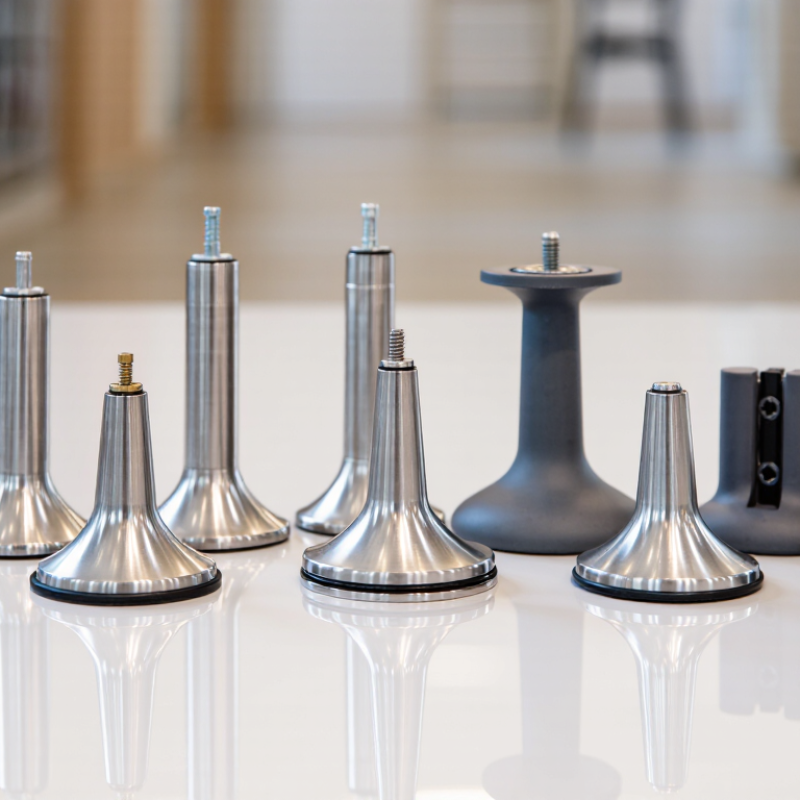
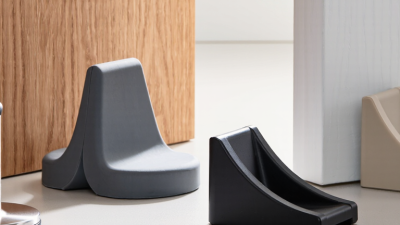
China’s door stopper industry serves residential, commercial, hotel, and furniture projects. Common products include floor-mounted, wall-mounted, hinge-pin, magnetic, concealed, and kick-down stoppers. Stainless steel suits humid areas, while zinc alloy offers lower production costs. Rubber tips reduce impact noise. Small details matter.
Grand View Research valued the global door hardware market at about USD 17.1 billion in 2023. Its report also forecasts nearly 5% annual growth from 2024 to 2030. Door stoppers represent a smaller segment, but renovation and new construction continue supporting demand.
UN Comtrade places these products within HS 8302, covering broader base-metal fittings. This classification makes exact stopper export figures difficult to isolate.
When assessing China’s top ten manufacturers, buyers should compare tooling capability, material consistency, plating thickness, load testing, and packaging protection. Factory audits should review incoming inspection records and salt-spray results. Samples can reveal loose magnets, weak screws, or uneven rubber pads. These problems are easy to overlook.
Many Chinese factories offer OEM drawings, private packaging, and mixed container quantities. Production is often concentrated in hardware clusters, which can shorten sourcing times. However, low prices may hide inconsistent alloy content or rushed finishing. A reliable supplier should provide dimensional drawings, batch records, and test samples before mass production. Third-party inspection remains useful, especially for unfamiliar factories. No shortlist is perfect. Product fit still depends on the door weight, frame material, installation method, and local climate.
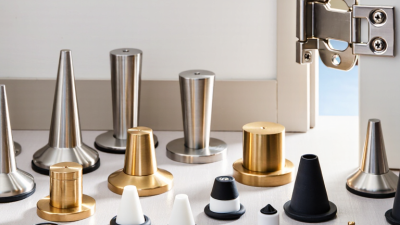
Evaluating China’s top door stopper manufacturers requires more than comparing catalogue photos and quoted prices. Grand View Research’s 2024 door hardware report indicates steady global growth at a mid-single-digit annual rate, increasing pressure on suppliers to deliver consistent quality. Request factory-audit evidence, recent test reports, and traceable material records. Check whether brass, stainless steel, zinc alloy, or rubber components match the specification. A polished sample can hide weak springs or uneven plating.
Ask for production details, not promises. Review monthly capacity, inspection stages, defect records, and corrective-action reports. The ISO Survey 2023 shows China remains the world’s largest source of ISO 9001-certified sites, but certification alone proves little about one factory’s daily controls. Visit the workshop, or arrange an independent audit. Watch operators test mounting screws, spring tension, and repeated impact resistance. Small details matter.
Use Trade Map data for HS 8302 fittings to compare export activity and destination markets. High export volume may suggest experience, yet it does not confirm product reliability. Request samples from three production batches. Measure dimensions, pull-off force, corrosion resistance, and packaging damage. ASTM F883 can help frame door hardware testing, although a stopper may need a tailored specification. I would not rank suppliers by price alone. That shortcut often becomes expensive. Lead time claims also deserve verification, especially before seasonal orders. A responsible evaluation records weaknesses, not only attractive strengths.
China’s door stopper sector serves residential, commercial, and industrial projects. Fortune Business Insights estimates the global door hardware market reached about USD 17 billion in 2023. Demand is shifting toward durable, low-maintenance fittings.
The ten leading Chinese manufacturer profiles reveal different strengths. Two focus on stainless steel floor stops for hotels and offices. One specializes in magnetic wall stops. Another produces compact rubber bumpers for furniture. Three operate as flexible OEM factories, supporting custom finishes and packaging. Two concentrate on zinc-alloy hardware with polished or matte surfaces. The final profile combines door stops with hinges and other architectural fittings. Their shared advantages include dense supply chains, tooling experience, and export-oriented quality systems. However, catalog breadth can hide uneven testing standards.
Tip: Ask for salt-spray results, load testing, material grades, and dimensional drawings before approval. Samples should be installed on real doors, not judged only by hand feel. For fire-rated or accessibility-sensitive projects, request independent test documents. Intertek and SGS reports can support verification, but they should match the exact model.
A practical audit should inspect thread quality, magnet strength, screw alignment, and surface consistency. One weakness remains: some suppliers provide attractive samples but weaker production batches. I would treat this as a procurement risk, not a minor detail. Grand View Research identifies durability, renovation, and commercial construction as important hardware demand drivers. Chinese manufacturers with traceable inspections are better positioned for repeat orders.
| Profile | Manufacturing Cluster | Main Door Stopper Categories | Typical Materials | Surface Finishes | Installation Options | Typical MOQ | Typical Lead Time | Customization Capability | Common Export Documentation |
|---|---|---|---|---|---|---|---|---|---|
| Profile 01 | Ningbo, Zhejiang | Floor-mounted, wall-mounted and magnetic stoppers | Zinc alloy, stainless steel and silicone rubber | Brushed, polished, satin nickel and matte black | Screw-fixed and adhesive-assisted installation | 500–1,000 pieces | 20–35 working days | Logo marking, packaging, dimensions and finish | Commercial invoice, packing list, material report and test sample records |
| Profile 02 | Wenzhou, Zhejiang | Heavy-duty floor stops, kick-down stops and door holders | Stainless steel, brass and engineering plastic | Satin, mirror-polished, antique brass and PVD-style finishes | Through-floor screw fixing and concealed fixing | 1,000–2,000 pieces | 25–40 working days | Spring strength, mounting plate, finish and retail packaging | Commercial invoice, packing list, certificate of origin and inspection report |
| Profile 03 | Jiangmen, Guangdong | Magnetic wall stops, concealed stops and cabinet-style stops | Zinc alloy, stainless steel, neodymium magnets and rubber | Chrome, brushed stainless, black and white | Wall screw fixing, door fixing and concealed installation | 1,000–3,000 pieces | 20–30 working days | Magnet force, housing shape, color and package design | Material declaration, product specification sheet and pre-shipment inspection records |
| Profile 04 | Foshan, Guangdong | Architectural floor stops, wall buffers and glass-door stops | 304 stainless steel, aluminum alloy and EPDM rubber | Brushed stainless, anodized aluminum and powder-coated colors | Surface-mounted, concealed and glass-compatible fixing | 300–1,000 pieces | 25–45 working days | Project dimensions, protective pads, mounting hardware and finishes | Technical drawing, material certificate, packing list and inspection report |
| Profile 05 | Yuyao, Zhejiang | Rubber wedge stops, portable stops and residential door buffers | TPR, silicone, natural rubber and stainless steel inserts | Black, gray, white and custom molded colors | Free-standing, adhesive-backed and screw-fixed | 2,000–5,000 pieces | 15–30 working days | Molded shape, hardness, color, logo and blister packaging | Material safety declaration, packing list, invoice and sample approval record |
| Profile 06 | Jiaxing, Zhejiang | Hydraulic door holders, adjustable stops and commercial door accessories | Steel, aluminum alloy, hydraulic oil and nylon components | Silver, satin, black and white powder coating | Surface-mounted and bracket-mounted installation | 500–1,500 pieces | 30–50 working days | Holding force, arm length, mounting bracket and operating range | Product data sheet, material report, inspection report and export documents |
| Profile 07 | Nanhai, Guangdong | Minimalist magnetic stops, slim wall stops and concealed door buffers | Zinc alloy, stainless steel, neodymium magnets and silicone | Matte black, brushed gold, satin nickel and polished chrome | Concealed screw fixing and adhesive-assisted fixing | 800–2,000 pieces | 25–40 working days | Compact dimensions, magnetic force, color and packaging | Technical drawing, material declaration, sample report and packing list |
| Profile 08 | Taizhou, Zhejiang | Kick-down stops, sliding stops and utility-room door hardware | Stainless steel, zinc alloy, steel springs and rubber pads | Polished, brushed, black and antique finishes | Door-mounted, floor-mounted and bracket-mounted installation | 1,000–3,000 pieces | 20–35 working days | Spring tension, pad size, mounting plate and carton configuration | Commercial invoice, packing list, material declaration and inspection records |
| Profile 09 | Qingdao, Shandong | Industrial door stops, warehouse door holders and heavy-duty buffers | Carbon steel, stainless steel, polyurethane and EPDM rubber | Galvanized, powder-coated, stainless and industrial gray | Anchor-bolt, welded-base and surface-mounted installation | 200–800 pieces | 30–55 working days | Load capacity, base dimensions, rubber hardness and coating | Technical specification, material certificate, coating report and inspection report |
| Profile 10 | Jiangsu Manufacturing Belt | Concealed floor stops, architectural project hardware and custom assemblies | 304 stainless steel, brass, aluminum alloy and elastomer pads | Satin, mirror, brushed gold, matte black and custom finishes | Concealed floor-box, surface-mounted and project-specific fixing | 300–1,000 pieces | 35–60 working days | CAD-based development, dimensions, finishes, packaging and hardware sets | Technical drawings, material certificate, sample approval, inspection report and shipping documents |
China Top 10 Door Stopper Manufacturers: Comparing Materials, Designs, Certifications, and Production Capabilities
When comparing China’s leading door stopper manufacturers, material choice should match the installation environment. Stainless steel suits bathrooms, coastal buildings, and high-traffic entrances because it resists corrosion. Zinc alloy offers detailed shapes and a solid hand feel. Rubber or silicone tips reduce impact noise and protect painted doors. Some suppliers combine these materials with concealed magnets, wall plates, or adjustable screws. Small details matter.
Design testing reveals more than photographs. A reliable factory should provide samples, load tests, cycle tests, and surface-finish records. Check whether the stopper stays fixed after repeated slamming. It sounds simple. It is not always simple. Floor-mounted models need accurate drilling dimensions, while wall-mounted versions require strong anchors and stable threads. I would request a sample before approving a large order.
Certifications also need careful verification. ISO 9001 can indicate controlled production processes, but it does not prove every product is excellent. Depending on the destination market, ask for material reports, RoHS or REACH declarations, salt-spray results, and relevant safety documentation. Confirm certificate numbers with the issuing organization. A polished catalog is not proof. Production capability should include die casting, stamping, CNC machining, polishing, assembly, and final inspection. Ask about daily capacity, batch traceability, packaging tests, and tolerance control. Some factories promise flexible customization, yet their tooling response is slow. That gap deserves attention.
Choosing among China’s top door stopper manufacturers requires more than comparing unit prices. The 2023 World Bank Logistics Performance Index ranked China 19th globally, showing strong logistics capability but uneven supplier performance. Ask for factory registration, production capacity, export experience, and recent inspection records. A polished catalog proves little.
Request samples before signing a purchase agreement. Check the spring tension, rubber hardness, screw alignment, plating, and surface finish by hand. Test each sample on several door materials. Do not trust one perfect piece. Ask for batch consistency data, material certificates, packaging drawings, and a written defect standard. ISO 9001 certification can support process control, but it does not replace independent inspection.
Delivery planning matters too. A 2020 supply-chain survey by McKinsey reported that 93% of leaders intended to strengthen resilience. Therefore, evaluate backup suppliers, raw-material sources, lead times, and communication speed. Clarify minimum order quantities and replacement procedures. Confirm whether the supplier can manage private specifications without changing materials secretly. A factory visit, video audit, or third-party inspection adds useful evidence. Yet audits can miss daily problems. Keep a small trial order. Track defects, response time, and packing damage before scaling. Price still matters, but the cheapest stopper may create expensive returns.
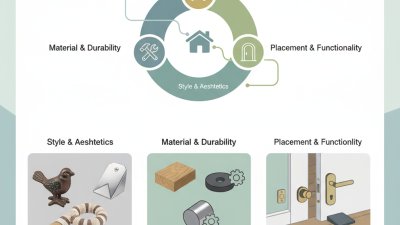
Recommended evaluation weighting for comparing Chinese door stopper suppliers. Product quality, material compliance, production consistency, and delivery performance should receive the greatest attention, while customization and commercial terms help confirm the final purchasing decision.