Why Choose the Best Baby Play Mat for Your Needs?
Choosing the right Baby Play Mat for your little one is essential. A good play mat can enhance your baby's development. It provides a safe space for tummy time and playful exploration. However, with so many options available, decisions can become overwhelming.
As parents, we want the best for our children. A quality Baby Play Mat can offer comfort and stimulation. Materials matter; look for non-toxic, easy-to-clean options. Colors and textures can stimulate a baby’s senses. Yet, not every mat will meet your unique needs.
Reflection is key in this process. Some mats might seem appealing at first glance but lack in function. Others may excel in safety but fall short in design. It’s important to weigh the pros and cons carefully. Consider your lifestyle and space before making a choice. A thoughtful selection will benefit both you and your child in the long run.
Factors to Consider When Selecting a Baby Play Mat
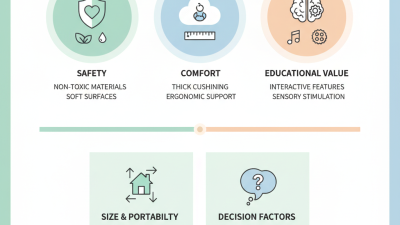
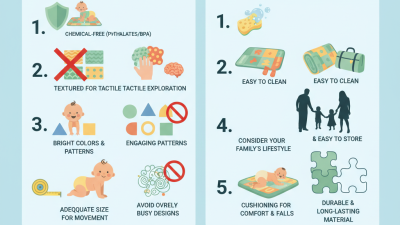
When selecting a baby play mat, comfort is crucial. Soft materials help protect tiny knees and elbows. Look for mats with cushioning. Non-toxic materials are essential too. Babies explore with their mouths, so safety is a top priority. Research the materials used in the play mat.
Consider the size of the mat. It should fit your play area comfortably. A larger mat allows plenty of space for crawling and playing. Portability is another factor. Choose a lightweight mat if you plan to move it around. Some mats fold easily for storage or travel.
Design matters as well. Colorful patterns can engage your baby’s attention. Consider mats with educational elements like numbers or letters. This can enhance playtime. Reflect on your home’s aesthetics too. A well-chosen mat can blend beautifully with your decor, making it a functional piece of art in your space.
Why Choose the Best Baby Play Mat for Your Needs? - Factors to Consider When Selecting a Baby Play Mat
| Feature |
Description |
Importance |
| Material |
Non-toxic, soft, and durable materials ensure safety and comfort during play. |
High |
| Size |
Various sizes are available to fit different spaces and to accommodate multiple children. |
Medium |
| Thickness |
A thicker mat provides better cushioning and shock absorption. |
High |
| Design |
Colorful and engaging designs stimulate visual development and play. |
Medium |
| Ease of Cleaning |
Washable or wipeable surfaces are important for hygiene. |
High |
| Portability |
Lightweight and foldable options are ideal for travel and storage. |
Medium |
Different Types of Baby Play Mats and Their Features
When choosing a baby play mat, it's essential to consider various types and their unique features. Foam play mats are popular for their soft cushioning. These mats protect your baby while encouraging crawling and movement. They often come in vibrant colors and patterns, which can stimulate visual development.
Another type is the sensory play mat. These mats include various textures and attachments. Babies can explore different surfaces, enhancing their tactile experiences. Many sensory mats also incorporate sounds and lights. This multisensory approach keeps babies engaged and promotes early learning.
Tips: Look for mats with non-toxic materials. Safety is crucial, especially for babies who explore with their mouths. Consider mats that are easy to clean, as spills are inevitable. A position with a waterproof surface can be a smart choice. Ensure the mat is large enough for your baby to play freely. Remember, not all mats provide the same support or stimulation. Be willing to experiment and observe your baby's reactions to find the best fit for their needs.
Health and Safety Standards for Baby Play Mats
When choosing a baby play mat, health and safety should be paramount. Parents want peace of mind while their little ones play. A mat must meet rigorous safety standards. Look for certification from recognized authorities. This ensures that materials are non-toxic and safe for babies.
Softness and cushioning are also essential elements. A thick mat can prevent injuries when babies tumble or fall during play. It should also be free from harmful chemicals. Exploring reviews can help identify mats that have undergone extensive testing. Pay attention to any recalls. They can be red flags for underlying issues.
Some parents may overlook the importance of materials. Natural fibers can be safer but often require regular cleaning. Synthetic options might be easier to maintain, but they can harbor allergens. It’s wise to consider your child’s sensitivities. Always check for stains or odors that might indicate hidden problems. Being diligent in these aspects ensures a safe and healthy play environment.
The Role of Play Mats in Child Development
Play mats serve as essential tools in child development. They provide a safe and stimulating environment for infants and toddlers. According to research, young children spend up to 70% of their waking hours engaging in play. This playtime is crucial for their physical, cognitive, and emotional growth. A soft and colorful play mat can provide comfort while encouraging movement. Infants learn to roll, crawl, and eventually walk on these mats.
The right play mat fosters sensory exploration. Bright colors and different textures stimulate a child's senses. Studies show that sensory play supports brain development. Engaging in tactile activities can enhance fine motor skills. However, not all mats are created equal. Some mats may lack safety features. Parents should ensure mats are free from harmful chemicals and provide non-slip surfaces to prevent accidents.
Tips: Choose a play mat that is easy to clean. Babies often drool and spit up. A mat that can be wiped down will save time. Consider the size; it should fit your space but still allow room for ample play. Lastly, seek mats with educational designs. Shapes, letters, or numbers can transform playtime into learning moments.
Tips for Maintaining and Cleaning Your Baby Play Mat
Maintaining and cleaning your baby play mat is crucial for both hygiene and safety. Research shows that babies spend approximately 70% of their awake time on play mats. Therefore, keeping these mats clean can significantly reduce exposure to bacteria and allergens. Regular vacuuming helps to remove dust and debris, while wiping down surfaces with a mild detergent is essential for deep cleaning.
It’s important to choose cleaning products that are safe for babies. Many parents unknowingly use harsh chemicals, which can be harmful. A study highlighted that 30% of baby-related products contain potentially harmful substances. Opting for natural cleaning agents can mitigate this risk. Another effective method is machine washing, where applicable. Ensure to follow the manufacturer's instructions for washing to preserve the mat’s quality and durability.
Sometimes, wear and tear can occur despite our best efforts. Stains may remain, or the mat could lose its cushioning. Being mindful of this can help you assess when it’s time for a replacement. Regular inspections will also allow you to notice if the mat is beginning to show signs of excessive wear. Prioritizing a clean mat contributes to a safer and healthier play environment for your baby.
Comparison of Baby Play Mat Maintenance Tips