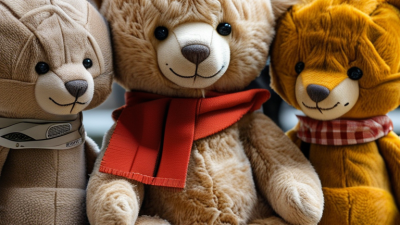
Choosing the right Animal Stuffed Toy supplier is not simply a search for the lowest quotation. It is a careful examination of safety, craftsmanship, communication, and consistency. A soft bear may look charming in a product photo, yet its seams, filling, eyes, and fabric can tell a different story. Experienced buyers inspect samples under bright light, pull stress points gently, and request material records before placing a large order. Small details matter. A loose thread can become a serious quality concern.
Joan Lawrence, a longtime toy safety authority, says, “Safety is not a one-time event; it is a process.” This principle should guide every supplier discussion. Ask whether the factory performs physical and chemical testing, keeps production records, and checks each batch before shipment. Request evidence, not broad promises. A reliable supplier should explain its inspection steps clearly and share realistic production timelines. It should also admit limitations. That honesty is valuable.
Experience still requires reflection. A supplier with impressive equipment may not understand your target customer. Another factory may offer beautiful prototypes but struggle with repeat orders. Compare samples from several suppliers, including their stitching, embroidery, packaging, and response speed. Speak with recent customers when possible. Check how the supplier handles defects, revisions, and delayed materials. Cost matters, but hidden rework costs more. The best Animal Stuffed Toy supplier is not always the cheapest. It is the partner that protects quality when deadlines become uncomfortable. Judge the evidence carefully, and leave room to question your first impression.

Choosing the best animal stuffed toy supplier starts with understanding supplier types. Trading companies offer broad catalogs and flexible sourcing, but production control may be limited. OEM factories develop custom animals from sketches, fabrics, and size specifications. ODM suppliers provide existing patterns with faster adaptation. Vertically integrated manufacturers can manage fabric selection, embroidery, stuffing, and final inspection internally. Each model has trade-offs.
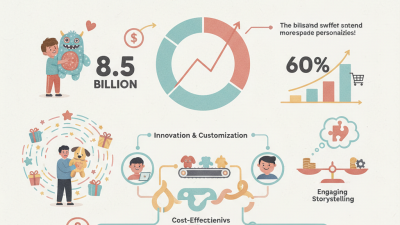
Market data supports careful supplier evaluation. Fortune Business Insights estimated the global stuffed animal toys market at about USD 7.28 billion in 2023, with continued growth projected through 2032. Competition is increasing. Suppliers therefore need more than attractive samples. Ask for documented material traceability, sample approval records, production capacity, and testing against ISO 8124 or applicable toy-safety requirements. Capability matters.
Production details reveal the real difference. A capable factory should explain its minimum order quantity, sample timeline, stitching tolerance, stuffing density, and packaging options clearly. Request photos from each production stage, not only polished catalog images. Check whether one quality team controls cutting, sewing, filling, and metal detection. A supplier using recycled polyester may also provide fiber certificates and batch records.
No supplier is perfect. A low MOQ can hide higher unit costs. A fast sample may conceal weak revision control. Even a careful audit can miss inconsistent embroidery on a large order. Use a pilot batch before committing to full production. Compare defect rates, communication speed, corrective actions, and delivery accuracy. These practical records often reveal more than a confident sales presentation.
This chart compares typical supplier models using five practical selection criteria. Scores are indicative industry benchmarks on a 1–5 scale, where 5 represents stronger capability. Custom and contract manufacturers generally provide better design, scalability, and compliance support, while distributors and artisan workshops are often more flexible for small orders.
Choosing the best animal stuffed toy supplier starts with a clear product brief.
Define the toy’s animal shape, size, filling, fabric, colors, and intended age group. Explain whether it is for gentle play, display, education, or gifting. Small details matter. A loose seam can change the entire safety assessment.
Safety requirements should be written, not assumed.
Ask for material specifications, colorfastness results, seam strength checks, and records showing appropriate safety testing. Confirm that eyes, noses, and other attachments resist pulling. Request production samples from the same materials used in bulk orders. A perfect showroom sample proves little if factory controls are weak. Keep batch records and a clear inspection process.
Customization also needs practical boundaries.
Share artwork files, embroidery dimensions, label placement, packaging ideas, and acceptable color differences. Ask the supplier to explain sampling fees, revision limits, minimum quantities, and production timelines. Good communication is evidence of reliability. However, polite replies do not replace documentation. A common weakness in early checklists is focusing on appearance while ignoring filling density and wash performance. Reconsider the brief after testing a sample. It may feel too firm, lose shape, or look different under daylight. Choose a supplier that accepts measurable requirements and responds honestly when a design needs adjustment.
Supplier quality begins with visible evidence, not attractive product photos. Ask for material specifications, factory audit records, and recent laboratory test reports. These documents should identify fabric composition, filling materials, seam strength, flammability, and restricted substances. Requirements vary by destination market, so the supplier must explain which standards apply. Do not accept expired certificates. Check the production date and product reference carefully.
Production control also deserves close attention.
During a factory visit or video inspection, observe cutting tables, sewing lines, filling stations, and final inspection areas. Loose threads should be removed before packing. Eyes, noses, and other attached parts need firm pull testing. A sample may look perfect, yet mass production can reveal uneven stitching or color differences. Ask how workers record defects and how supervisors approve each batch. Clear records show more than confident promises.
Reliable suppliers support traceability from raw materials to cartons. Each shipment should carry a batch number, inspection result, and packing record. Independent testing can verify safety claims, especially when products target young children. Contracts should define acceptable defect rates, correction procedures, and document updates. I once underestimated the value of production photos, and a small packaging change caused confusion later. My review process now checks samples, records, and factory communication together. No supplier is perfect. That weakness matters.
How to Choose the Best Animal Stuffed Toy Supplier?
A reliable supplier should offer clear pricing, not just an attractive unit cost. Ask for sample fees, packaging charges, shipping estimates, and any customization costs. A low quote can become expensive after hidden fees appear. Compare the full landed cost for each order size. I once focused too heavily on the sample price and underestimated packaging expenses. That mistake changed the final budget.
Minimum order quantities require practical judgment. A small MOQ reduces inventory risk, while a larger MOQ may lower the unit price. Check whether the supplier accepts mixed colors, sizes, or designs within one order. Request a written production schedule. Confirm sample approval time, manufacturing time, inspection time, and shipping time. Add a small buffer for delays. Production rarely moves perfectly.
Tips: Ask for a trial order before committing to volume. Track every promise in one shared document. Request weekly updates during production. Test stitching, filling, fabric strength, and washing performance. Communication quality matters as much as price. Notice how quickly the supplier answers difficult questions. Do they provide specific dates, photos, and corrective actions? Vague replies can signal future problems. However, fast replies do not always mean strong production control. Check both communication and delivered quality before making a long-term decision.
A dependable supplier should prove quality before discussing price. Price comes later. Request samples from different production batches, not one carefully selected piece. Check seam strength, loose fibers, filling recovery, odor, eyes, labels, and stitching. The U.S. Consumer Product Safety Commission reported an estimated 231,700 toy-related injuries treated in emergency departments during 2022. This figure covers all toys, not only stuffed animals. It still shows why physical testing matters. Match laboratory tests with ASTM F963 and ISO 8124 requirements.
An audit should follow the product through the factory. Review fabric records, needle control, metal detection, batch coding, rework, and complaint logs. Inspect storage conditions, too. Humidity can affect fabric and stuffing. The European Commission’s Safety Gate 2023 report recorded 3,412 consumer-product alerts. That number makes traceability difficult to ignore. A clean workshop during an audit proves little. Audit the ordinary days.
Contract review protects the sample’s promised quality. Define measurements, material composition, color tolerance, testing duties, approval procedures, and change-control rules. Add batch traceability, inspection rights, replacement terms, and recall cooperation. Never rely on verbal promises. Even a strong audit is only a snapshot. I would also leave room for mistakes, because inspection cannot catch every hidden weakness. A practical improvement is requiring pre-shipment samples from each major batch. That costs time, but it can expose changes before children receive the product.