A cold line beneath a door can make an otherwise warm room feel uncomfortable. It may also signal wasted heating, uneven indoor temperatures, and unwanted dust entering through small gaps. Choosing the best Draught Excluder is not simply a matter of buying the thickest strip available. The door’s material, opening direction, threshold height, and daily use all matter.
Building-performance consultant Tim Pullen has said, “Draught-proofing is one of the simplest ways to improve comfort and reduce heat loss.” That practical view is useful, but it needs context. A product that seals a rarely used back door may be unsuitable for a busy entrance. A brush seal can glide over an uneven floor, while a rubber seal may provide a tighter barrier on a smooth threshold. Small details matter.
Start with the gap.
Measure it carefully when the door is closed. Check for uneven flooring, damaged frames, and moisture near exterior doors. These details can change the best choice. Adhesive foam is quick to install, but it may compress or peel over time. Screw-fixed options usually offer stronger, more adjustable performance. However, even a well-made Draught Excluder cannot correct a warped door or a poorly fitted frame. That is an easy point to overlook. Comfort should improve without making the door hard to open, trapping moisture, or creating a trip hazard. A careful choice balances sealing performance, durability, appearance, and realistic everyday use.
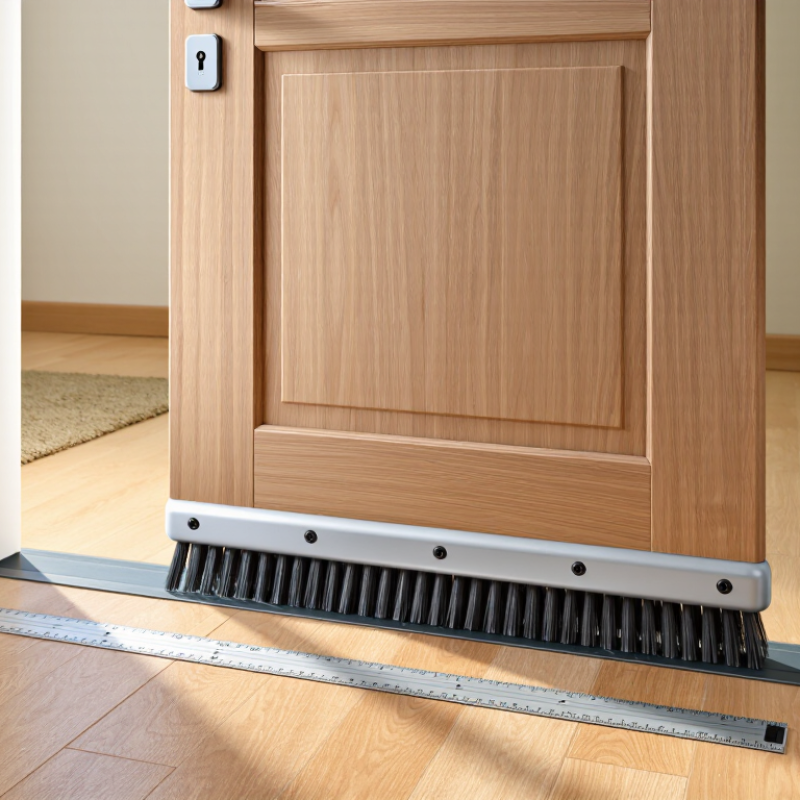
A draught excluder works best when it matches the door gap, not just the door style. Check the gap on both sides, across the bottom, and near the hinges. Floors are rarely level, so one measurement can mislead you. Use a ruler or feeler gauge, and measure with the door closed. A narrow gap may need a brush or flexible rubber strip. Wider gaps often need a foam seal or a drop-down excluder.
The door material also matters. Adhesive strips suit clean, smooth surfaces, but they may loosen on dusty or painted frames. Screw-fixed seals usually offer better stability on busy external doors. Brush seals tolerate uneven floors and small grit. Rubber seals block stronger draughts, though they can make the door harder to close. I have sometimes chosen a thick seal that looked effective, then found the latch would not engage properly. That mistake is easy to avoid with a small test piece.
Tips: Place a torch inside the room at night, then inspect the closed door from outside. Visible light reveals hidden gaps. Clean and dry the frame before fitting any adhesive seal. Do not compress a seal excessively; it can curl, split, or strain the hinges. For an uneven threshold, mark the lowest point and trim gradually. A neat fit matters more than maximum thickness. Check the door again after several days, because seals can settle and reveal a remaining draught.

Choosing the right draught excluder starts with the door’s actual condition, not its appearance. For a smooth internal door, foam strips are often practical and inexpensive. They compress gently against small gaps and reduce cold air around the frame. However, foam can flatten after repeated use. I once fitted it to a busy hallway door, and it needed replacing sooner than expected.
Rubber or silicone seals suit exterior doors with regular movement and changing temperatures. Silicone remains flexible in cold weather and usually tolerates light moisture better than basic foam. Rubber can provide a firmer seal, especially when the gap is consistent. Measure carefully, though. An overly thick strip may make the door difficult to close. That mistake is easy to overlook.
For uneven floors, a brush-style excluder can follow minor surface changes better than a rigid strip. It works well on interior doors, but heavy dust may reduce its movement. Metal-backed or rigid threshold systems offer durability near entrances, particularly where shoes and frequent cleaning cause wear. They require accurate installation and may not suit every floor surface. Wooden doors can also expand slightly in damp conditions, so leave enough flexibility for seasonal movement. No material performs perfectly everywhere. Inspect the gap, moisture level, traffic, and closing pressure before choosing.
Accurate measurement matters more than appearance. Measure the door leaf, not the frame, using a steel tape. Record the width at the top, middle, and bottom. Doors can be slightly uneven. Use the smallest width if the excluder fits across the door face. Measure the gap beneath the closed door at both corners and the centre. Note the largest gap, especially on older floors. A 2 mm difference can affect sealing and movement.
Check the threshold before choosing a product. Stone, timber, and raised metal thresholds need different clearances. Open and close the door after placing a straight edge across the gap. It reveals twists that a tape measure misses. I usually measure twice, then leave the result overnight. This sounds excessive, but rushed measurements cause poor cuts. Allow only the manufacturer’s stated compression; excessive pressure can make a latch difficult to operate.
The U.S. Department of Energy’s Energy Saver guidance states that air sealing may reduce annual heating and cooling costs by 10–20%, depending on the building. The International Energy Agency’s Energy Efficiency 2023 report identifies buildings as using about 30% of global final energy. A correctly fitted door excluder cannot solve every leak, but it can target a visible one. Write down the width, under-door gap, threshold height, and swing direction before buying. Recheck after installation with a thin strip of paper. It should resist gently, not tear or trap.
Choosing a draught excluder starts with the door gap, not the product label. Measure the opening at several points. Floors and frames are rarely perfectly level. A practical fitting check is simple: close the door on a strip of paper. If it pulls out easily, air leakage is likely.
Adhesive foam is quick to install and suits light, even gaps. However, dust, moisture, and repeated compression can weaken its bond. Screw-fixed rubber or silicone seals usually tolerate heavier use and temperature changes. They need accurate pilot holes.
A door sweep works well across a smooth threshold, while a brush seal handles minor floor irregularities.
The U.S. Department of Energy identifies weatherstripping and door sweeps as effective air-sealing measures. Its Energy Saver guidance estimates whole-home air sealing can reduce heating and cooling costs by about 10–20%, although a single door contributes only part of that result.
Durability depends on contact pressure. Too much pressure makes the door difficult to close and may damage the seal. Inspect the strip each season for flattening, cracks, or loose corners. Clean silicone and rubber with mild soapy water; avoid harsh solvents.
The International Energy Agency repeatedly highlights building-envelope maintenance as essential for retaining energy performance. That sounds obvious, but it is often missed. Replace damaged adhesive sections rather than adding layers over them.
My cautious view: the most durable fitting is not always the thickest one. A poorly aligned seal fails faster than a modest seal installed carefully.
A draught excluder should match the door’s location, not just its colour or price. At a front door, wind pressure and rain demand a durable, close-fitting seal. A brush strip suits small gaps beneath uneven thresholds. A rubber or silicone sweep usually blocks stronger air movement. Measure the gap with the door closed. Check three points. Floors are rarely perfectly level. I once measured only the centre and bought the wrong length.
For bedroom and hallway doors, comfort and noise matter more than weather resistance. A fabric-filled or foam excluder can reduce cold air without making the door difficult to open. Choose a low-profile design where people walk often. It should not catch socks or scrape flooring. A door beside an unheated stairwell may need a denser seal. Keep ventilation needs in mind, especially around rooms with combustion appliances. Do not seal blindly. A warmer room is not always a safer room.
Back and garage doors face dust, damp, and larger gaps. A heavy-duty threshold seal works well on smooth floors, while a flexible brush handles rough concrete better. For patio or sliding doors, use a narrow pile seal that follows movement without dragging. Clean the contact surface before fitting. Adhesive often fails on dusty paint. Screws may hold better, but check the door construction first. Measure twice. Recheck after a week. Seasonal movement can reopen a gap, so even a careful installation may need adjustment.
| Door location | Typical conditions | Recommended draught excluder | Suitable material | Typical gap covered | Key selection criteria | Installation considerations |
|---|---|---|---|---|---|---|
| Front exterior door | Frequent use, wind-driven rain, outdoor temperature changes and possible uneven thresholds. | Flexible brush, rubber sweep or combined threshold seal | EPDM rubber Nylon brush Aluminium carrier | Approximately 3–12 mm | Choose a weather-resistant seal that closes the gap without creating excessive opening resistance. | Measure the gap at several points. Trim only after checking that the door opens freely and the seal remains in contact with the threshold. |
| Back or patio door | Exposure to rain, garden debris, strong air movement and repeated daily operation. | Low-friction brush seal or flexible rubber door sweep | Nylon bristles EPDM rubber Coated metal | Approximately 3–10 mm | Prioritise moisture resistance, durability and a profile that will not catch on the threshold. | For outward-opening doors, fit the seal where it is protected from direct impact. Keep drainage paths and weep holes clear. |
| Internal door beside an unheated room | Temperature difference between rooms, limited weather exposure and moderate foot traffic. | Adhesive foam strip or lightweight brush strip | Closed-cell foam Silicone Nylon brush | Approximately 2–6 mm | A softer seal is generally adequate and helps avoid unnecessary pressure on the hinges and latch. | Clean and dry the frame before applying adhesive products. Do not compress the seal so much that the door will not latch correctly. |
| Door between the house and an attached garage | Potential cold air, dust, vehicle fumes and a relatively large temperature difference. | Compression weather seal around the frame plus a robust bottom seal | EPDM rubber Silicone Metal-backed seal | Approximately 3–8 mm at the sides and head; up to 10 mm at the bottom | Use a continuous seal with good compression and ensure the door remains properly self-closing and latching. | If the door is fire-resisting or required to self-close, use only a compatible, tested product and do not remove or obstruct existing safety hardware. |
| Apartment or corridor-facing entrance door | Air movement from shared corridors, noise transmission and frequent opening and closing. | Automatic drop seal or durable bottom sweep with frame seals | Silicone EPDM rubber Anodised aluminium | Approximately 2–8 mm | Look for low operating friction, good acoustic contact and a neat profile suited to the building’s door requirements. | Check lease, building-management and fire-safety requirements before altering the door. A drop seal should retract when the door opens. |
| Older door with an uneven or worn threshold | Variable gaps, movement in the floor, worn timber and irregular contact along the bottom edge. | Flexible brush seal or adjustable sweep | Nylon brush Flexible rubber Adjustable aluminium | Approximately 5–15 mm, depending on the profile | A flexible element is more likely to maintain contact across small changes in floor height than rigid foam. | Check for the largest gap rather than measuring only one corner. Avoid excessive brush length, which can make the door difficult to move. |
| High-traffic commercial or utility door | Frequent operation, impact, dirt and possible trolley or equipment traffic. | Heavy-duty brush seal or replaceable rubber sweep | Nylon brush EPDM rubber Stainless steel fixings | Approximately 3–10 mm | Select a replaceable, mechanically fixed seal with a robust carrier and low resistance during opening. | Screw-fixed products are usually more secure than adhesive-only products in busy areas. Inspect wear regularly and replace damaged inserts. |
| Door with a very small, even gap | Minimal draught, smooth threshold and no significant variation along the door bottom. | Slim silicone fin seal or narrow foam tape | Silicone Closed-cell foam | Approximately 1–4 mm | Use the smallest suitable profile to avoid excess compression and preserve easy door operation. | Apply the seal to a clean, dry surface and test the latch before completing the installation. |