Top Tips for Sourcing Custom Stuffed Toys Effectively?
Sourcing custom stuffed toys can be a rewarding yet challenging endeavor. The demand for unique designs and high-quality materials is on the rise. To stand out, businesses must focus on effective sourcing strategies. Custom stuffed toys not only captivate children but also serve as cherished keepsakes for adults.
Understanding the nuances of the market is essential. Many suppliers offer a range of options, but not all will meet your specific needs. Balancing cost, quality, and ethical production is key. Engaging with reliable manufacturers can streamline the process. It's vital to ask questions about their practices. Uncertainties can emerge when working with new suppliers.
Attention to detail is crucial. Consider the toy's safety standards and materials used. Collecting samples before committing is wise. Reflecting on the importance of personalization can bring your designs to life. Ultimately, navigating the world of custom stuffed toys requires patience and clear communication. Building relationships with trusted suppliers can lead to lasting success.
Understanding the Market for Custom Stuffed Toys
Understanding the market for custom stuffed toys requires insight into consumer preferences. Many buyers seek unique designs that reflect personal tastes. Think about the occasions that drive demand: birthdays, holidays, or special events. Customization adds value by allowing customers to choose colors, sizes, and features.
Research shows a growing trend in personalized gifts. Parents want unique toys for their children. Collectors look for limited editions. This market is diverse and can be profitable. Yet, competition is fierce. It is crucial to find a niche. Identify your target audience to tailor your offerings.
Sourcing custom stuffed toys involves many challenges. Quality must meet expectations. Not all manufacturers deliver consistent results. Keep samples for comparison. Communication with suppliers is vital. Misunderstandings can lead to disappointing final products. Build strong relationships with reliable manufacturers to avoid these pitfalls.
Identifying Your Target Audience and Their Preferences
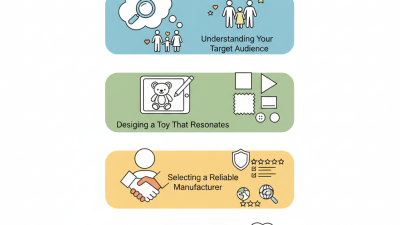
Identifying your target audience is crucial for sourcing custom stuffed toys effectively. Start by conducting market research. Surveys and focus groups can provide valuable insights into what children and parents want. This allows you to design toys that truly resonate with your audience.
Consider age, interests, and preferences. Popular themes might include animals, fantasy characters, or educational aspects. Kids often prefer bright colors and soft textures. Pay attention to current trends. Utilize social media and parenting blogs to gather ideas.
Once you understand your audience, create prototypes. Testing these prototypes can reveal what works and what doesn’t. Gather feedback from parents and children. Adjust your designs based on their reactions. Sometimes, a toy that seems perfect may not appeal as expected. Keep refining your approach until you find the right fit.
Selecting Reliable Manufacturers and Suppliers for Production
Finding reliable manufacturers and suppliers for custom stuffed toys is crucial. Start by researching potential partners thoroughly. Check their production capacity and quality control processes. Engaging with online platforms and trade shows can provide valuable insights.
Consider getting samples before placing large orders. This process can help you assess the quality and craftsmanship of the toys. Pay attention to the materials used. Ensure they are safe and comply with regulations. Communication is key; having a partner who understands your vision is vital.
Trust your instincts but also reflect on past experiences. Each interaction teaches you something new. Don't overlook smaller suppliers; they can offer unique advantages. Balancing reliability with innovation can lead to a successful partnership.
Top Tips for Sourcing Custom Stuffed Toys Effectively
| Criteria |
Details |
Importance (1-5) |
Notes |
| Manufacturer Experience |
Look for at least 5 years in the toy industry |
5 |
Experience usually correlates with quality |
| Safety Certifications |
Check for EN71, ASTM, and other relevant safety standards |
5 |
Essential for child safety compliance |
| Minimum Order Quantity (MOQ) |
Assess if the MOQ aligns with your business model |
4 |
Flexibility can help start-ups |
| Production Time |
Verify lead times for production and shipping |
4 |
Critical for timely launches |
| Cost Competitiveness |
Analyze cost structure while ensuring quality |
5 |
Balance cost with quality expectations |
| Communication |
Evaluate responsiveness and clarity |
4 |
Prevents misunderstandings and errors |
| Samples Provision |
Request samples to assess quality before full order |
5 |
A must for quality assurance |
Quality Control Measures for Custom Stuffed Toys
When sourcing custom stuffed toys, quality control is critical. According to a recent industry report, 72% of customers consider toy safety an important factor. Ensuring that toys meet safety standards is not optional. Regular testing for harmful substances can reduce risks. For instance, materials used should comply with ASTM or EN71 standards. This step protects children and maintains your brand’s integrity.
Effective quality control involves several measures. First, establish a clear checklist for evaluating suppliers. Evaluate their processes for cleanliness, material sourcing, and safety compliance. Training staff to identify non-conforming products is vital. This practice creates an awareness of quality among all team members. Research indicates that quality control can increase production efficiency by 30%.
Documentation is equally important. Keeping records of tests and inspections helps in tracking issues. If a defect arises, data can highlight recurring problems. Whether it’s a stitching flaw or a material issue, having a detailed history aids in resolving challenges. Despite the best efforts, issues can still occur. Reflecting on these problems leads to better practices in the future.
Marketing Strategies to Promote Your Custom Stuffed Toys
Marketing custom stuffed toys requires creativity and strategic thinking. According to industry reports, the global toy market is projected to reach $120 billion by 2023. This growth opens opportunities for unique products that stand out. Developing a memorable brand story is essential. Customers connect with stories that resonate emotionally. Use social media for storytelling; captivating visuals can engage potential buyers effectively.
Promote your toys through influencer partnerships. Research shows that 70% of millennials trust influencer recommendations. Collaborate with influencers relevant to your target demographic. Their endorsement can amplify your reach. Engaging in community events can also provide exposure. Consider hosting workshops or fairs. This direct interaction can build trust and deepen relationships with potential customers.
Tip: Use eye-catching packaging. It can make a significant difference. Attractive packaging not only protects the toys but also enhances the perceived value. Another tip: leverage user-generated content. Encourage customers to share photos with your toys. This can create authentic engagement. Insightful marketing strategies can set your custom toys apart in a competitive market. Adapt these techniques and observe their effectiveness. Reflect on the responses, and refine your approach as needed.
Sales Data for Custom Stuffed Toys by Age Group