Top 10 Stuffed Toys in China You Should Know About?
Stuffed toys hold a special place in the hearts of many, especially in China. They are not just playthings; they are companions, comforters, and often a source of joy for both children and adults. The market is filled with diverse types of stuffed toys, each boasting unique designs and characters. From plush bears to whimsical creatures, the options can be overwhelming. Understanding which designs resonate with people can lead to better choices in gifting or collecting.
Chinese stuffed toys have evolved significantly over the years. New trends and cultural references shape the designs popular today. Some toys reflect traditional themes, while others spotlight modern innovations. This creativity shows how much thought goes into crafting each stuffed toy. However, one must consider factors like safety and quality when selecting these items. Many toys may look appealing but might not meet safety standards, making informed decisions essential.
Exploring the top stuffed toys in China reveals a blend of tradition and modernity. These toys often become part of cherished memories. As you delve into this realm, reflect on what makes a stuffed toy meaningful to you. Whether it’s nostalgia or a new design you adore, each toy has a story waiting to be shared.
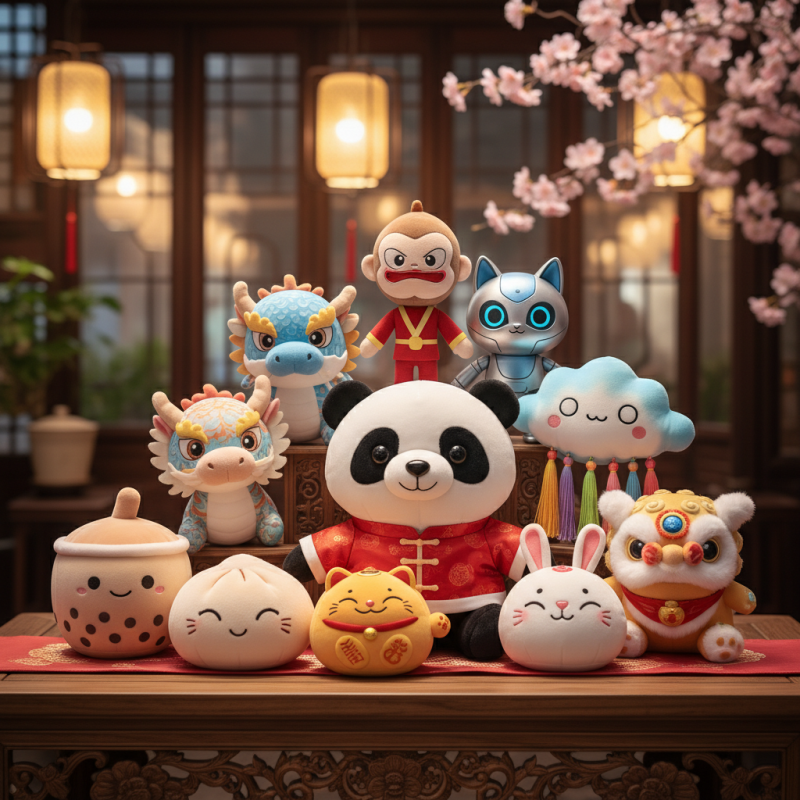
The Evolution of Stuffed Toys in China
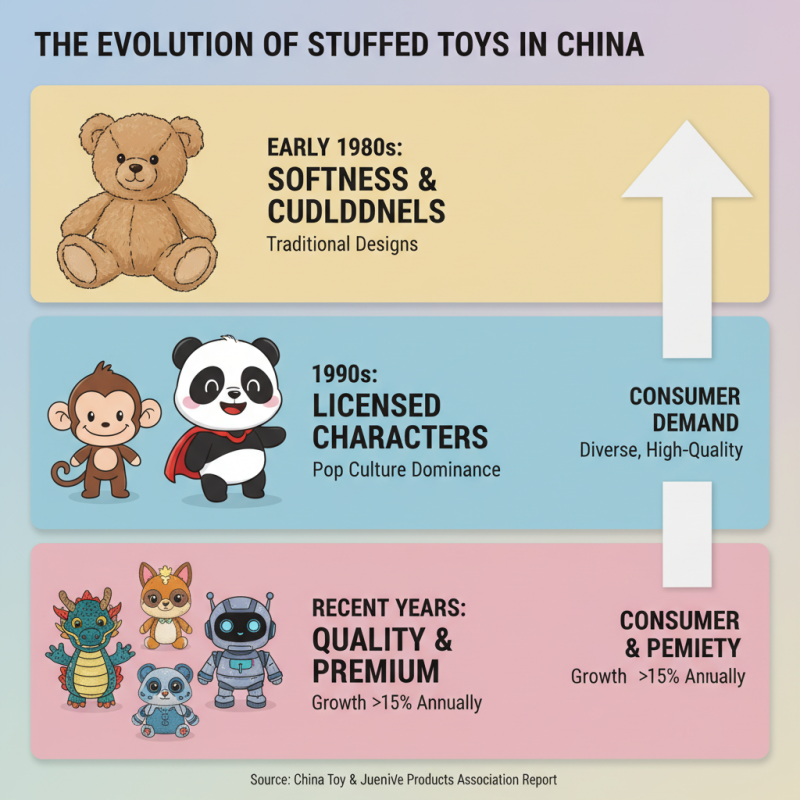
The evolution of stuffed toys in China reflects cultural shifts and consumer trends. In the early 1980s, plush toys were primarily simple designs. Softness and cuddliness were the main focus. By the 1990s, characters from cartoons began to dominate the market. A report from the China Toy & Juvenile Products Association indicates that the plush toy segment has grown by over 15% annually in recent years. This growth highlights a rising consumer demand for diverse, high-quality products.
Today's stuffed toys in China blend tradition and innovation. Many designs incorporate local craftsmanship and materials. They also often align with educational themes, promoting social skills and emotional intelligence. Research shows that around 40% of parents prefer toys that serve dual purposes. However, the industry faces challenges. Safety regulations can be inconsistent, and many consumers are still unaware of proper standards. Manufacturers must continuously improve to enhance reliability and trust. As the market evolves, so do the expectations of consumers who prioritize both safety and creativity.
Cultural Significance of Stuffed Toys in Chinese Society
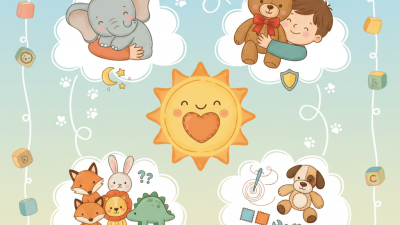
Stuffed toys hold a unique position in Chinese culture, serving not just as playthings but as symbols of comfort and emotional support. In many families, these toys are often gifted during significant life events. Birthdays and holidays see an influx of plush animals that embody good wishes. They are seen as protectors, helping children feel secure and alleviating fears.
In addition to their comforting presence, stuffed toys often reflect the values and ideals of society. Popular characters from folklore and literature appear in plush form, fostering a connection to cultural heritage. These toys are not always perfect. Sometimes, they might not adequately represent cultural nuances. This gap can lead to misunderstandings or missed connections among children and their traditions.
Moreover, the rising trend of collecting high-quality stuffed toys signals an evolving cultural landscape. Some choose to display them as artistic decor rather than for play. This shift shows a growing appreciation for craftsmanship and design within Chinese society. However, it also raises questions. Are these toys still fulfilling their primary purpose of providing comfort? The duality of their roles invites ongoing reflection on their significance in modern lives.
Top 10 Stuffed Toys in China You Should Know About
This bar chart illustrates the popularity of different types of stuffed toys in China, measured in thousands of units sold. The data reflects consumer preferences and cultural significance, highlighting favorites such as Teddy Bears and Pandas.
Top 10 Iconic Stuffed Toys Loved by Children in China
In China, stuffed toys hold a special place in children's hearts. Many kids cherish these cuddly friends, finding comfort and security in their soft embrace. Iconic characters often emerge from popular culture, captivating young imaginations. For instance, many children adore plush versions of mythical creatures that symbolize good luck and joy.
Parents appreciate quality and safety in these toys. The vibrant colors and cute designs attract children's attention. Yet, some toys may not meet safety standards. It's crucial for caregivers to check for reliable certifications before purchasing. Judging a toy by its covering might be tempting, but durability matters too. Children can be rough, and some toys may not survive their play.
Emotional connection is key for kids and stuffed toys. Many children form attachments, viewing them as friends. They share secrets and express feelings through these soft companions. However, it’s important for children to learn that these toys are not truly alive. Balancing reality and imagination can be challenging yet essential in their growth.
Top 10 Iconic Stuffed Toys Loved by Children in China
| Rank |
Stuffed Toy Name |
Description |
Recommended Age |
Material |
| 1 |
Panda Plush |
Soft and cuddly panda that represents China's national treasure. |
0+ |
Cotton, Polyester |
| 2 |
Cat Plush |
Adorable cat with a fluffy tail and bright eyes. |
3+ |
Velvet, Polyester |
| 3 |
Bear Plush |
Classic teddy bear that every child loves. |
1+ |
Cotton, PP Cotton |
| 4 |
Rabbit Plush |
Cute rabbit with long ears for extra cuddles. |
0+ |
Fleece, Nylon |
| 5 |
Dinosaur Plush |
Colorful dinosaur for kids who love prehistoric creatures. |
4+ |
Polyester, Cotton |
| 6 |
Teddy Bear with Heart |
A sweet teddy bear holding a heart, perfect for gifts. |
2+ |
Cotton, Plush |
| 7 |
Unicorn Plush |
Magical unicorn with vibrant colors and a shiny horn. |
3+ |
Polyester, Nylon |
| 8 |
Elephant Plush |
Soft and cuddly elephant, ideal for imaginative play. |
1+ |
Cotton, PP Cotton |
| 9 |
Frog Plush |
Cheerful frog with big eyes, perfect for cuddling. |
3+ |
Fleece, Cotton |
| 10 |
Turtle Plush |
Soft turtle with a shell, great for bedtime stories. |
0+ |
Cotton, Polyester |
Trends in Stuffed Toy Design and Manufacturing in China
In recent years, the stuffed toy industry in China has undergone remarkable changes. Innovative designs now incorporate eco-friendly materials. Many manufacturers prioritize sustainability in their production processes. This shift aligns with global trends toward environmentally conscious consumption. Parents increasingly seek safe, non-toxic toys for their children. The emphasis on safety is a crucial factor in product design.
Craftsmanship remains a key aspect of stuffed toys. Artisans focus on quality and durability. Hand-stitched elements and intricate detailing enhance the appeal of these toys. Children value uniqueness, leading to a rise in customizable options. Some toys even allow for personalization with names or colors. However, quality control can be inconsistent. This issue raises questions about standards in mass production.
Emerging themes include cultural representation and storytelling. Designers often draw inspiration from folklore and traditional motifs. This not only adds depth but also fosters a connection to heritage. Nevertheless, balancing tradition and modern trends remains challenging. Some designs may overlook cultural sensitivities, risking misrepresentation. The evolving landscape of stuffed toys in China reveals both exciting opportunities and critical reflections.
The Future of Stuffed Toys: Innovations and Sustainability in China
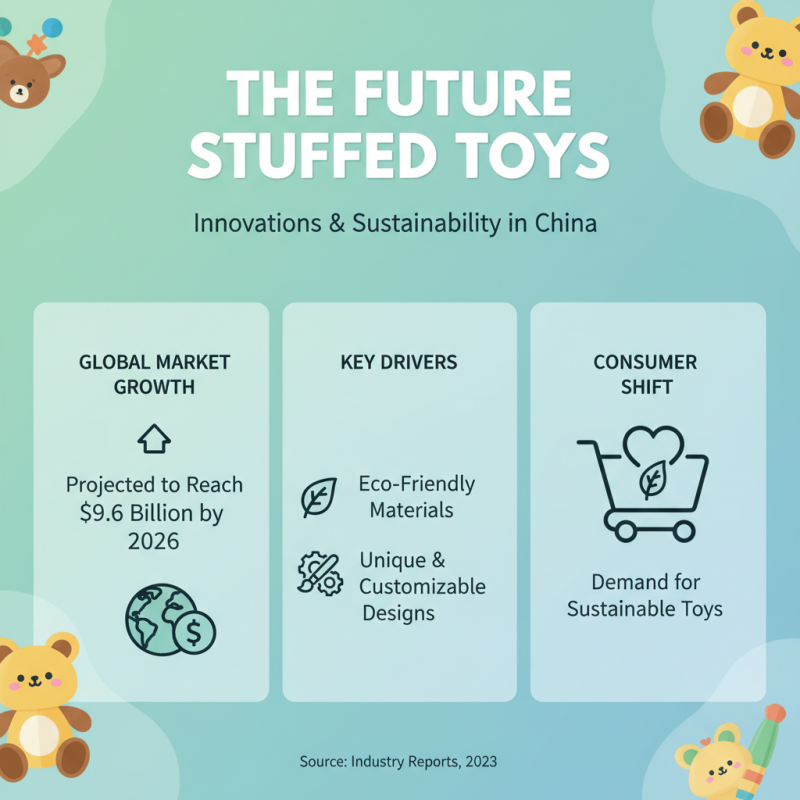
The stuffed toy industry in China is evolving, focusing on innovations and sustainability. Recent studies indicate that the global plush toys market is projected to reach $9.6 billion by 2026. This growth is driven by increasing demand for eco-friendly materials and unique, customizable designs. Consumers are becoming more conscious of the materials used in their toys, creating a shift in the industry.
Many manufacturers are now experimenting with sustainable materials, like organic cotton and recycled plastics. A report by GlobalData highlights that 75% of consumers prefer products with sustainable credentials. This trend illustrates a clear demand for toys that not only delight but also respect the environment. However, challenges remain. Balancing quality with sustainable practices poses difficulties for many producers.
Tips: Always check the material information before purchasing plush toys. Look for certifications like Oeko-Tex or GOTS. These ensure safety and sustainability. Supporting brands that prioritize ethical manufacturing is crucial. As the market shifts, companies that innovate while remaining responsible will thrive. Exploring customization options can also lead to a more personal touch. Personalization enhances emotional connections with the products.