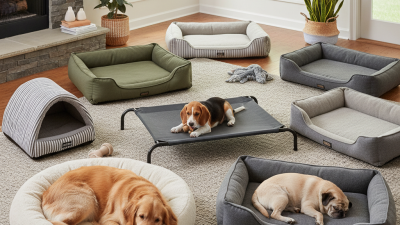
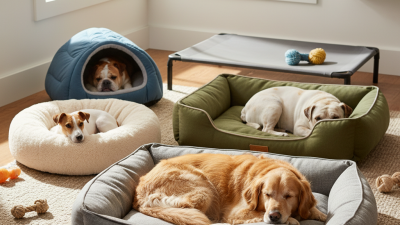
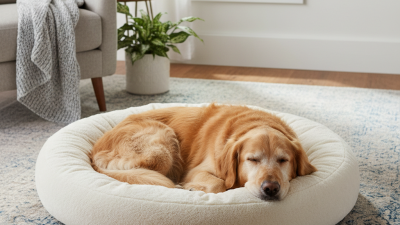
Why does your dog need a Dog Bed when the sofa already feels comfortable? The answer involves sleep, joint support, hygiene, and personal space. Dogs may sleep for 12 to 16 hours daily, depending on age, health, and activity level. A designated bed gives that rest a consistent location. It also protects floors and furniture from hair, moisture, and outdoor debris.
Industry data shows why this subject matters. The American Pet Products Association reported that 66% of U.S. households owned a pet in 2023–2024. Dogs remain one of the country’s most common companion animals. That large population creates growing demand for products that support everyday welfare, not only appearance. The American Animal Hospital Association’s canine life-stage guidance also emphasizes individualized comfort and preventive care. A washable bed can help puppies settle, while an orthopedic design may reduce pressure on older joints. However, it cannot treat arthritis or replace veterinary advice.
A practical choice depends on the dog’s body, habits, and environment. Watch how your dog sleeps. Does the body curl tightly, stretch fully, or avoid hard floors? A flat, supportive surface may suit a warm-coated dog. A thick, low-entry bed may help a senior dog rise more safely. Material matters too. Removable covers, firm stitching, and non-slip bases make daily cleaning easier. The evidence is not perfectly uniform. Some dogs reject expensive beds completely. That is normal. Comfort must be observed, not assumed. A good Dog Bed should feel like a quiet, clean refuge beside your family’s everyday life.
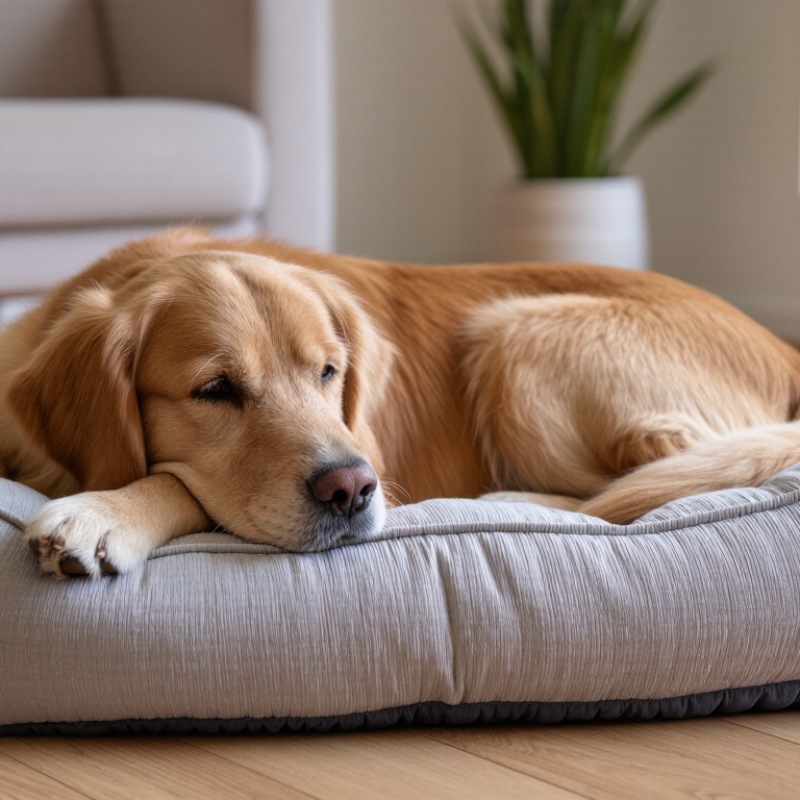
A dog bed is a designated resting place that supports your dog’s body and daily comfort. It creates a familiar boundary, separate from cold floors, damp carpets, or busy household pathways. A suitable bed can cushion pressure points, especially around the hips, elbows, and spine. Puppies may use it as a safe sleeping area, while older dogs often benefit from thicker, supportive padding. However, softness alone is not enough. A bed that collapses quickly may provide comfort but little support. Size, material, temperature, and sleeping posture all matter.
Tips: Choose a bed that lets your dog stretch fully without hanging over the edge. Measure from the nose to the base of the tail, then add several inches. Look for removable, washable covers and stable, non-slip bottoms. Inspect seams regularly, since chewing can create swallowed pieces. Place the bed away from drafts, direct heat, and heavy foot traffic. Keep it near the family, but allow your dog to rest undisturbed.
A dog bed can also support healthier routines. Consistent rest may help dogs settle after exercise, meals, or training. It gives them a clear place to retreat when the home feels noisy. Many owners notice calmer behavior after introducing one. Still, every dog responds differently. Some prefer a cool mat, while others choose a folded blanket beside the bed. Refusal does not always mean the bed is poor; the location may feel exposed. If your dog avoids rest, struggles to rise, or changes sleeping habits suddenly, veterinary advice is appropriate.

A dog bed is more than a soft place to rest. It can support deeper sleep and reduce pressure on sensitive body areas. During overnight sleep, dogs need a stable surface that allows their muscles to relax. Good support helps distribute weight across the body instead of concentrating it on elbows or hips. That matters for older dogs and active dogs.
I have noticed that a tired dog settles faster when the bed stays quiet and does not slide. An older dog may also need extra cushioning around stiff joints. Some dogs still choose the cool floor. That is normal. Veterinary professionals often recommend observing movement, posture, and sleeping habits before choosing a bed. A bed that is too soft may make standing difficult, while one that is too firm may create pressure points.
Bed design also affects daily comfort. Look for enough space for stretching, turning, and curling without forcing awkward positions. Low edges can help dogs with limited mobility enter safely. Washable fabric is useful because clean bedding supports healthy skin and reduces unpleasant odors. Place the bed away from cold drafts and busy walkways. Watch how your dog rises after resting. Reluctance, limping, or repeated position changes deserve veterinary advice. I once assumed my dog preferred a thick cushion because it looked comfortable. I was wrong. Comfort is individual, and careful observation matters.
Why Does Your Dog Need a Dog Bed?
A dedicated sleeping space gives your dog a predictable place to rest, retreat, and feel secure. I have seen anxious dogs settle faster when their bed stays in a quiet corner, away from busy doorways. The bed also keeps fur, dirt, and outdoor moisture away from shared furniture. Small details matter.
The Merck Veterinary Manual reports that healthy adult dogs commonly sleep 12–14 hours daily, while puppies and older dogs may sleep longer. That is a significant part of life spent lying down. A supportive surface can reduce pressure on elbows, hips, and shoulders, especially for heavy, senior, or arthritic dogs. The American Animal Hospital Association’s canine life-stage guidance also emphasizes comfortable rest and regular monitoring of mobility changes. A firm bed is not medical treatment, though.
The American Pet Products Association’s 2023–2024 National Pet Owners Survey counted about 65.1 million U.S. dog-owning households. More households are treating dogs as family members, yet comfort choices still need individual judgment. Some dogs prefer cool floors. Others burrow into thick bedding. Watch how your dog rises, turns, and settles. If the bed is too warm, your dog may avoid it. If the surface collapses, joints may receive less support than expected. Even the perfect-looking bed can fail. A washable cover, stable placement, and enough room to stretch often matter more than appearance.
A dedicated sleeping space gives dogs a consistent place to rest, helping support the long sleep periods they typically need. Sleep requirements vary by age, but puppies and senior dogs generally need more rest than healthy adult dogs.
Typical daily sleep ranges are approximately 18–20 hours for puppies, 12–14 hours for adult dogs, and 14–18 hours for senior dogs. A comfortable, dedicated bed can provide a predictable and supportive place for this rest.
Why Does Your Dog Need a Dog Bed?
A suitable dog bed gives your pet a clean, defined place to rest. It can also protect joints from cold, hard floors. Choosing the right bed starts with your dog’s sleeping habits, not its appearance. Measure your dog from nose to tail while it stretches. Add several inches for comfortable movement. Measure twice. A curled sleeper may prefer a round bed with raised edges. A dog that sprawls needs a wider, flatter surface.
Support matters, especially for senior dogs or pets with stiff joints. Look for dense, resilient filling that does not flatten quickly. Press the bed with your hand. If the base feels hard, it may offer little cushioning. Dogs that overheat may rest better on breathable fabric or a raised design. Small dogs and short-haired breeds often need extra warmth during colder months. Avoid loose strings, exposed foam, and unstable frames that could cause injuries.
Cleanliness is equally important. Choose a removable, washable cover, particularly if your dog tracks mud indoors. Check the stitching and zipper regularly. I once underestimated how quickly a seemingly durable cover could hold hair and odor. My choice looked practical, but cleaning it became frustrating. Placement also affects use. Put the bed in a quiet corner near family activity, away from drafts and direct heat. Watch your dog for several days. Refusing the bed may signal discomfort, poor temperature control, or a size mistake, not stubbornness.
| Selection Dimension | Why It Matters | Practical Guideline | Recommended Bed Characteristics |
|---|---|---|---|
| Sleep and Rest | Dogs sleep and rest for a substantial part of the day. A dedicated bed provides a consistent, comfortable resting place. | Place the bed in a quiet area away from heavy foot traffic, drafts, and direct heat sources. | Cushioning that supports the dog’s body without allowing it to sink completely to the floor. |
| Bed Size | A bed that is too small can restrict natural sleeping positions, while an oversized bed may feel less secure for some dogs. | Measure the dog from nose to the base of the tail while relaxed, then add approximately 15–30 cm (6–12 in) for comfortable movement. | Enough surface area for stretching, turning, and changing positions. |
| Sleeping Position | Dogs have different sleeping habits, and the shape of the bed should match the way the dog usually rests. | Observe whether the dog curls up, stretches out, leans against edges, or changes positions frequently. | Round or bolstered beds for curlers; flat rectangular mattresses for stretchers; low-entry designs for dogs that avoid climbing. |
| Age and Mobility | Older dogs or dogs with joint discomfort may find high steps and unstable surfaces difficult to use. | Choose easy access and stable support; consult a veterinarian if pain, stiffness, or difficulty rising is observed. | Low step-in height, firm even support, non-slip base, and pressure-relieving foam. |
| Temperature Control | Coat type, body size, age, health, and room temperature influence a dog’s comfort. | Use breathable materials in warm conditions and insulating layers in cooler rooms; avoid overheating. | Breathable fabric or elevated airflow for warm environments; washable fleece or padded layers for cooler areas. |
| Cleaning and Hygiene | Beds collect hair, dirt, moisture, and skin flakes, so regular cleaning helps maintain a hygienic resting area. | Follow the care label; wash removable covers regularly and clean accidents or wetness promptly. | Removable machine-washable cover, durable stitching, quick-drying fabric, and a water-resistant inner liner. |
| Chewing and Digging Habits | Puppies and active chewers can damage loose fabric or ingest torn pieces. | Inspect the bed frequently and remove it from use if filling, foam, or threads become accessible. | Strong seams, tightly woven covers, minimal loose parts, and replaceable covers where possible. |
| Anxiety and Security | A predictable personal space can help some dogs settle, especially when the surrounding area is calm and consistent. | Position the bed where the dog can rest undisturbed but is not isolated from normal household activity. | Raised sides or a covered design for dogs that seek enclosure; an open mattress for dogs that prefer visibility. |
| Indoor or Outdoor Use | Outdoor conditions expose beds to moisture, dirt, sunlight, and temperature changes. | Keep outdoor beds sheltered, dry, and elevated when possible; do not leave a damp bed in use. | Indoor: soft washable cushioning. Outdoor: water-resistant, quick-drying, UV-resistant, and easy-to-clean materials. |
| Safety and Fit | A safe bed should remain stable and should not contain accessible parts that could create a swallowing or entanglement hazard. | Check the bed regularly for damaged fabric, exposed filling, broken fasteners, and slipping on smooth floors. | Non-toxic materials, secure construction, a non-slip base, and a design appropriate for the dog’s size and behavior. |
A dog bed is more than a soft place to sleep. It gives your dog a familiar boundary, supports tired joints, and keeps fur away from household surfaces. However, comfort depends on daily care. I check the bed each morning for damp spots, torn seams, and unusual odors. This small habit has caught hidden problems before.
Wash removable covers regularly, following their care instructions. For healthy adult dogs, weekly washing often works, but muddy walks may require immediate cleaning. Vacuum loose hair first, then use a mild, pet-safe detergent and rinse thoroughly. Avoid strong fragrances. They can irritate sensitive noses. Dry every layer completely before use, including the inner filling. A slightly damp cushion can develop mildew. I once replaced a cover too quickly and missed moisture underneath.
Safety deserves equal attention. The bed should stay flat, stable, and large enough for stretching. Remove loose threads, broken zippers, and stuffing your dog can pull out. Place it away from heaters, open flames, and busy doorways. Older dogs may need firmer support, while puppies benefit from washable, durable materials. Watch how your dog rises, turns, and settles. Reluctance to use the bed may signal heat, discomfort, or a poor fit. If pain, skin irritation, or persistent odor appears, consult a veterinarian.