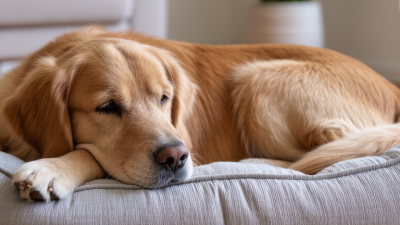
Choosing a Dog Bed is not simply a matter of color, price, or matching home décor. Size, sleeping posture, age, coat type, and mobility all change what a dog actually needs. A tiny terrier may prefer a raised rim and a warm surface. A senior Labrador may need firm, low-entry foam with enough room to turn comfortably.
The American Pet Products Association reported that 66% of U.S. households owned a pet in 2023–2024. That figure shows how many families now consider pet comfort a regular household expense. Market researchers also project continued growth in the global pet-bed category, although estimates differ by product definitions and regions. Those differences deserve attention. A large market does not automatically mean every expensive bed performs well.
Veterinarian Dr. Jennifer Coates offers a practical standard for evaluating comfort: “A good bed should provide support, warmth, and easy access, while remaining simple to clean.” That advice sounds basic, but it prevents common buying mistakes. Soft filling can flatten quickly. High sides can trouble a dog with stiff hips. Loose covers may collect hair, dust, and moisture around the sleeping area.
This guide compares ten Dog Bed options across sizes and budgets. It considers washable covers, foam support, entry height, durability, and everyday maintenance. Some dogs reject excellent products without explanation. That is the imperfect part of shopping. A careful owner may still need to test placement, texture, and firmness before finding the right fit.
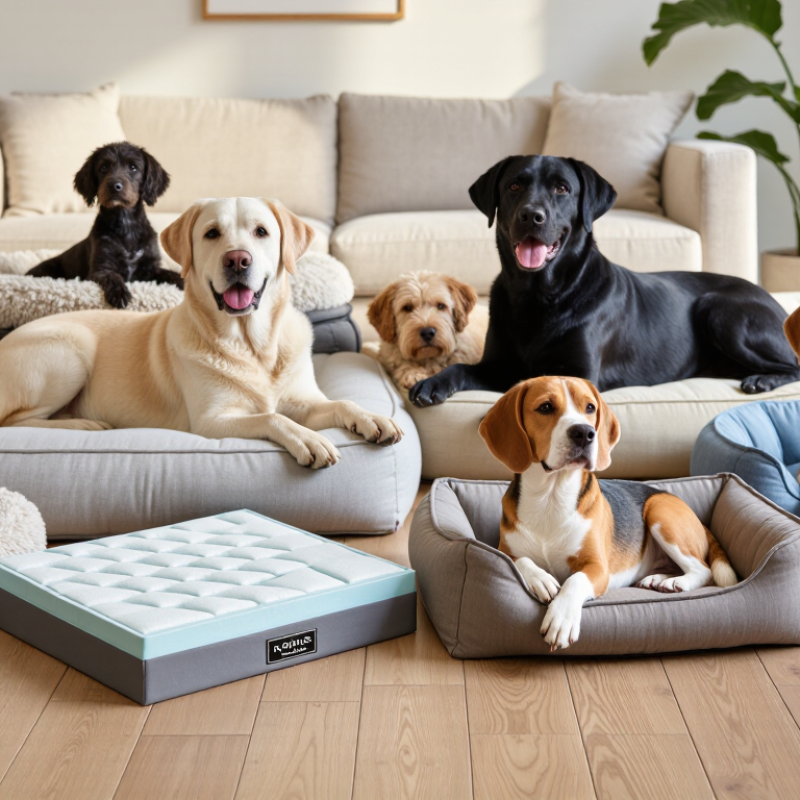
Choosing the right dog bed starts with your dog’s body shape, sleeping habits, and daily comfort. A small dog may prefer a raised-edge nest that feels secure. Larger dogs often need a wide, supportive mattress with enough room to stretch fully.
Dogs that curl into a ball may enjoy a round, cushioned bed with soft sides. Dogs that sprawl need a flat surface and strong edge support. Older dogs, or dogs with stiff joints, may benefit from dense foam that reduces pressure on elbows and hips. Waterproof covers help with muddy paws and occasional accidents. I once underestimated how quickly thin fabric wears under a restless dog’s claws.
Tips: Measure your dog from nose to tail, then add several inches. Check the bed’s weight limit and wash instructions. Place it away from cold drafts, but keep it near the family. A bed that looks perfect online may feel too warm in a sunny room. Watch how your dog sleeps for several nights. Their habits may challenge your first choice. Budget beds can work well when their filling stays firm and seams remain secure. Replace a bed when it becomes flat, lumpy, or difficult to clean.

A comfortable dog bed should match a dog’s body, habits, and sleeping surface. The American Pet Products Association’s 2023–2024 National Pet Owners Survey estimates that 66% of U.S. households own a pet. That large population includes tiny puppies, heavy seniors, and dogs with very different support needs. Measure your dog from nose to tail, then add 15–20 centimeters for stretching. A bed that looks generous may still feel cramped.
Support depends on more than thickness. Memory foam or dense foam can reduce pressure on hips and shoulders, especially for older or overweight dogs. The Association for Pet Obesity Prevention reported that 59% of cats and 54% of dogs were overweight or obese in its 2022 survey. Weight changes the way a bed compresses. A firm base, stable edges, and washable, breathable fabric are practical features. I once assumed a softer bed meant better comfort. That was not always true; some dogs sank too deeply and struggled to stand.
Tips: Place the bed away from cold drafts and noisy walkways. Press the center with your hand. If it collapses to the floor, choose denser support. Check the cover after washing, because shrinkage can make the fit awkward. A non-slip underside also helps on smooth floors. Small details matter.
Choosing the right dog bed starts with body size, sleeping habits, and joint support. Small dogs often prefer raised edges that create a warm, secure nest. A washable cushion with soft filling can suit puppies and short-haired breeds. However, very thick padding may make climbing difficult for older small dogs.
Medium dogs usually need enough space to stretch without sliding off the bed. A firm foam base can support active bodies after long walks. Large breeds place more pressure on seams and filling, so durable fabric and reinforced edges matter. Giant breeds need generous length, wide sleeping areas, and steady support beneath the hips and shoulders. A bed that sinks too deeply may feel comfortable at first, but it can make standing harder. I learned this after watching an older dog struggle on a soft, attractive cushion.
Tips: Measure from the nose to the tail, then add 20 to 30 centimeters. Check the bed’s inner sleeping area, not only its outside dimensions. Choose removable, machine-washable covers for muddy paws and shedding seasons. Place the bed away from cold drafts, but keep it where your dog still feels included. Observe the sleeping position for several nights. Dogs change preferences, and one ideal size may not work forever.
Typical retail price ranges vary by materials, filling, durability, and washable-cover features. Use your dog’s weight and sleeping style as a starting point when comparing bed sizes.
Small beds generally cost less and suit dogs up to about 25 lb, while giant-breed beds require more materials and supportive construction. Orthopedic foam and reinforced covers can increase the price across every size category.
Choosing between budget-friendly and premium dog beds is less about appearance than daily use. The American Pet Products Association reported US pet industry spending of $152 billion in 2024. That spending growth shows how carefully owners now evaluate comfort, durability, and value.
For a small dog, a washable bed with a low entry can cost under $40. It should fit the dog’s curled body without excessive empty space. Medium and large dogs need stronger seams and thicker support, especially if they stretch fully.
A premium orthopedic bed may cost $100 or more, but high-density foam can reduce pressure on hips and elbows. The American Animal Hospital Association recommends discussing mobility changes with a veterinarian, rather than treating a bed as medical care. That distinction matters.
Measure first. Always.
Budget beds can work well when covers wash easily and filling stays even after repeated drying. Premium beds often offer replaceable covers, waterproof liners, and firmer foam. However, expensive does not automatically mean better. I once favored a thick cushion, then noticed the dog avoided its heat-trapping fabric. That was a useful mistake. The best choice matches sleeping posture, chewing habits, room temperature, and cleaning needs. Industry spending reports reveal strong demand, but they cannot identify the right bed for one dog. Careful observation can.
Choosing the right dog bed starts with measurement, not appearance. Measure from nose to tail, then add 15–20 centimeters for stretching. A small dog may prefer raised edges, while a large dog often needs firmer, wider support. Puppies also need washable, inexpensive beds because accidents happen.
The Association for Pet Obesity Prevention reported that 59% of surveyed dogs were overweight or obese in 2022. Extra body weight increases pressure on hips, elbows, and spine. A thick, resilient mattress can help, but it cannot replace veterinary advice. Test the bed with your hand. It should compress slightly, then recover quickly. That simple check is useful. Not perfect.
Clean the cover weekly when possible, especially for dogs with allergies, heavy shedding, or outdoor habits. The CDC recommends regular cleaning of pet items to reduce dirt and possible germ exposure. Follow the care label, use unscented detergent, and dry everything completely. Damp filling can develop unpleasant odors and hidden mold. Vacuum seams between washes. Inspect zippers, foam, and stitching each month. I once chose a beautiful bed with a difficult cover; cleaning it became a chore, so it was used less. Budget matters, but maintenance matters more. The American Pet Products Association reported $147 billion in U.S. pet-industry spending during 2023, yet a higher price still does not guarantee suitable support or easy care.
| No. | Bed Type | Best For | Recommended Dog Size | Typical Dimensions | Main Materials | Support and Comfort | Cleaning Method | Expected Price Range | Maintenance Tips |
|---|---|---|---|---|---|---|---|---|---|
| 1 | Flat Foam Mat | Crate use, travel, and warm climates | Small dogs up to 25 lb | 24 × 18 × 2 in | Polyester cover; polyester fiber or foam filling | Light cushioning; easy for dogs that prefer a firm surface | Machine-wash removable cover; spot-clean the insert | $20–$45 | Air-dry fully before returning it to a crate or floor. |
| 2 | Plush Bolster Bed | Dogs that curl up or rest their heads on raised edges | Small to medium dogs, 10–45 lb | 30 × 22 × 8 in | Plush polyester fabric; recycled fiber fill | Soft cushioning with supportive side bolsters | Wash cover separately; use a gentle cycle and low heat | $35–$80 | Brush away loose hair weekly to reduce matting and odors. |
| 3 | Orthopedic Memory-Foam Bed | Older dogs and dogs needing pressure relief | Medium to large dogs, 35–90 lb | 36 × 28 × 5 in | High-density support foam; memory-foam comfort layer; waterproof liner | Firm base helps distribute weight and cushion joints | Machine-wash cover; wipe waterproof liner; do not machine-wash foam | $80–$180 | Rotate the bed monthly and keep foam away from direct heat. |
| 4 | Elevated Mesh Cot | Outdoor use, hot weather, and dogs that like airflow | Small to large dogs, 10–100 lb | 36 × 24 × 7 in | Powder-coated metal frame; breathable polyester mesh | Minimal padding; strong ventilation and raised clearance | Hose or wipe mesh; dry completely before use | $45–$110 | Check screws, frame joints, and mesh tension every few weeks. |
| 5 | Water-Resistant Outdoor Bed | Patios, camping, and messy environments | Medium to large dogs, 35–90 lb | 40 × 30 × 4 in | Water-resistant polyester fabric; synthetic fiber fill | Moderate cushioning with a durable, quick-drying surface | Wipe or rinse; machine-wash cover when permitted by care label | $50–$120 | Store indoors during prolonged rain or freezing weather. |
| 6 | Cooling Gel Bed | Summer use and dogs that overheat easily | Small to large dogs, 10–90 lb | 36 × 24 × 1.5 in | Pressure-activated gel or cooling foam; vinyl or nylon exterior | Cooling surface with light to moderate cushioning | Wipe with mild soap and water; never use abrasive cleaners | $35–$100 | Inspect regularly for punctures and discontinue use if damaged. |
| 7 | Waterproof Recovery Bed | Puppies, incontinent dogs, and post-activity rest | Medium to extra-large dogs, 35–120 lb | 42 × 32 × 5 in | Waterproof liner; washable microfiber or polyester cover; foam core | Supportive cushioning with protection from liquid accidents | Wash cover promptly; disinfect liner with a pet-safe cleaner | $70–$160 | Use a washable blanket layer for faster daily cleanup. |
| 8 | Cave or Hooded Bed | Small dogs that seek privacy and warmth | Small dogs up to 25 lb | 24 × 20 × 18 in | Fleece or plush polyester; foam or fiber filling | Enclosed design provides warmth and a den-like resting space | Machine-wash only if the structure is removable; otherwise spot-clean | $35–$90 | Keep the entrance open and inspect seams for chewing damage. |
| 9 | Large Mattress Bed | Large breeds and dogs that sleep stretched out | Large to giant dogs, 70–150 lb | 48 × 36 × 6 in | High-density foam or fiber fill; durable woven cover | Broad sleeping area with stable support for heavier bodies | Vacuum cover; machine-wash cover; spot-clean internal layers | $90–$220 | Measure the dog while fully stretched out before purchasing. |
| 10 | Budget Washable Pad | Secondary rooms, shelters, and frequent washing | All sizes; choose a suitable pad length | 30 × 20 × 2 in | Quilted polyester shell; recycled polyester fill | Basic cushioning with a lightweight, portable design | Machine-wash and tumble-dry according to the care label | $15–$40 | Keep a spare pad available while the cleaned one dries. |