- +86 15950329902
- [email protected]
- Need some help? [email protected]@dfyunlin.com

Leave Your Message
Buying animal plush products in volume looks simple until one loose seam affects an entire shipment. This guide introduces ten practical tips for evaluating an Animal Stuffed Toy supplier, product, and purchasing plan. The advice reflects common wholesale experience: inspect samples, question specifications, and compare costs beyond the unit price. A soft surface can hide weak filling, rough edges, poor stitching, or unpleasant odors. Touch matters. Ask for material details, production photos, quality records, and clear responses about inspection procedures. Reliable suppliers should explain their process without avoiding uncomfortable questions.
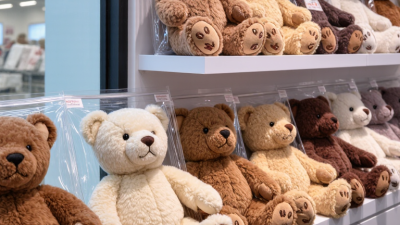
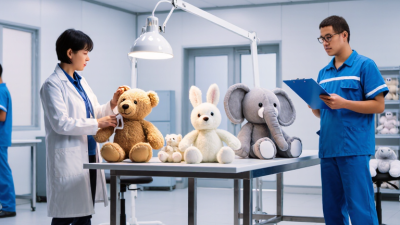
Before ordering thousands of pieces, request representative samples in different colors and sizes. Check seams around ears, paws, eyes, and embroidered features. Look for secure attachments, washable fabrics, balanced stuffing, and packaging that prevents crushing. Age grading and product labeling also deserve careful review, especially when toys may reach young children. Use recognized testing laboratories where appropriate, and keep written records of approvals, revisions, and accepted tolerances. Bulk pricing can be attractive, yet storage space, freight, damaged units, and delayed delivery may change the real margin. Plan for these costs.
No checklist is perfect. Even experienced buyers can overlook a small defect when deadlines feel urgent. A sample may perform well while a larger production run shows inconsistent stitching or color. That risk deserves honest attention. A controlled trial order, clear supplier communication, and careful post-purchase review can support a more dependable sourcing decision. The following tips provide a practical framework without pretending that every supplier or shipment will perform identically.
10 Tips for Buying Animal Stuffed Toys in Bulk
Define the order before requesting quotes. Set the exact quantity, age range, materials, and target price. Then add seven practical checks: animal designs, size, filling density, stitching, packaging, delivery timing, and replacement units. For example, 500 toys for toddlers need different construction from 500 gifts for school-age children. Keep small detachable parts away from younger users. The age label must match the product’s tested design, not just the buyer’s assumption.
Materials affect safety, comfort, and margins. Specify polyester fiber, cotton fabric, recycled content, or blended textiles clearly. Ask for test documentation covering flammability, seams, dyes, and accessible components. ASTM F963 remains a widely referenced toy-safety standard in the United States, while EN 71 is commonly used in European supply chains. Requirements vary by destination. Confirm them with a qualified testing laboratory. Grand View Research reported that the global stuffed toys market was valued at approximately 11.1 billion dollars in 2023, showing strong demand but also crowded competition.
Price needs a landed-cost calculation. Include sampling, testing, freight, duties, packaging, storage, and 3–5% spare units. My first spreadsheet looked accurate, but it ignored damaged cartons. That mistake changed the real unit cost. A sensible target price should leave room for quality control, not force thinner fabric or weaker stitching. Request a pre-production sample, inspect ten random pieces, and record defects with photographs. Cheap is not a specification. It is only a starting question.
| Tip | Bulk Need to Define | Recommended Quantity | Target Age Range | Preferred Materials | Target Unit Price | Practical Buying Guidance |
|---|---|---|---|---|---|---|
| 1. Match Quantity to the Buying Purpose | Identify whether the toys are for retail resale, events, education, gifts, or donation. | 24–100 units | Varies by use | Polyester plushPolyester fiber fill | US$3–10 | Start with a smaller test order when demand is uncertain. Larger quantities may reduce the unit cost but increase storage needs. |
| 2. Separate Products by Age Group | Choose toys according to the intended child’s developmental stage. | 30–80 units per age group | 0–3 years; 3–6 years; 6+ years | Soft polyesterEmbroidered features | US$4–12 | Products for children under 3 should avoid detachable small parts, loose accessories, and long cords. Always verify applicable safety requirements. |
| 3. Prioritize Washable Materials | Define cleaning requirements before selecting fabric and filling. | 50–150 units | 3+ years | Machine-washable polyesterRecycled fiber fill | US$4–11 | Request clear washing instructions. A removable cover can simplify cleaning, but zippers and pulls should be securely finished. |
| 4. Select a Size Range | Balance shelf space, shipping volume, play value, and customer preferences. | 25–100 units per size | All age groups | Plush polyesterCotton-blend fabric | US$3–18 | Common practical sizes include 15–25 cm for small gifts, 25–40 cm for general retail, and 40–70 cm for display or comfort use. |
| 5. Define the Target Price Before Ordering | Set a maximum landed cost, including product price, packaging, freight, duties, and inspection. | 50–500 units | Based on the sales channel | Standard plush fabricBasic fiber fill | US$3–8 | For budget programs, use simple shapes and embroidered details. More complex patterns, larger sizes, and customized packaging usually raise the final cost. |
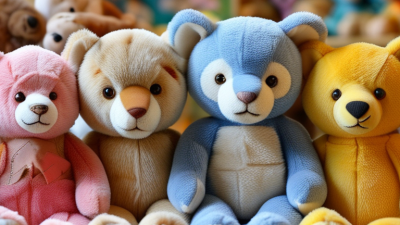
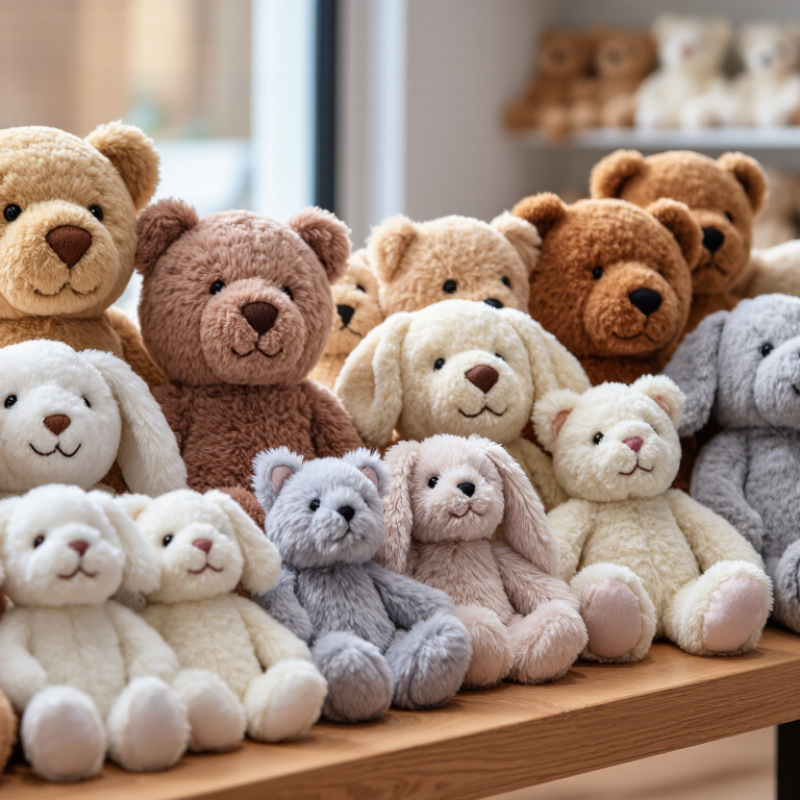
| 6. Choose Animal Types with Broad Appeal | Use a balanced assortment instead of relying on one animal design. | 10–30 units per design | 2–8 years | Short-pile polyesterSoft fiber fill | US$4–10 | A mixed assortment can include familiar animals such as bears, dogs, cats, rabbits, elephants, and woodland animals to serve different preferences. |
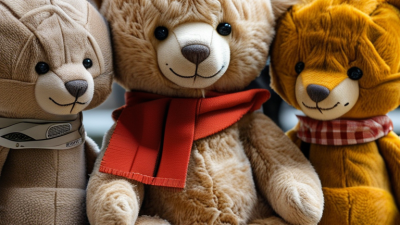
| 7. Check Construction and Stitching | Define acceptable standards for seams, eyes, noses, stuffing, and surface durability. | 25–200 units | 3+ years | Double-stitched seamsEmbroidered facial details | US$5–14 | Inspect sample units for loose threads, open seams, uneven filling, sharp components, and parts that could detach during normal use. |
| 8. Plan Packaging and Storage | Specify whether each toy needs individual packaging, bulk cartons, hang tags, or protective bags. | 50–300 units | All age groups | Recyclable paper tagsPolyester plush | US$3–12 | Individual packaging can improve presentation but adds material and labor costs. Confirm carton dimensions and compressed packing limits before shipment. |
| 9. Allow for Quality Inspection | Set an inspection level and acceptable defect rate before mass production or final payment. | 100–1,000 units | Based on product specification | Colorfast fabricSecure filling | US$4–15 | Use approved samples to compare color, dimensions, weight, stitching, labels, packaging, and overall appearance across the shipment. |
| 10. Reserve a Reorder Quantity | Estimate future demand and keep a consistent specification for repeat purchases. | 10–25% reorder reserve | Based on sales performance | Consistent fabric lotStandard fiber fill | US$3–12 | Keep records of dimensions, colors, materials, packaging, and accepted samples so future orders can be compared accurately. |