- +86 15950329902
- [email protected]
- Need some help? [email protected]@dfyunlin.com

Leave Your Message
Choosing the right Door Stopper supplier can influence product safety, installation quality, and long-term customer satisfaction. Global buyers need more than attractive prices and polished catalogs. They need suppliers with consistent manufacturing, clear specifications, dependable communication, and practical export experience.
This guide introduces ten Door Stopper suppliers serving international markets. The selection considers material options, surface finishes, production capacity, minimum order quantities, lead times, packaging, and quality-control procedures. Stainless steel models may suit humid areas, while rubber or silicone designs can protect walls and floors more gently. Small details matter, including screw strength, magnet performance, edge finishing, and resistance to repeated impact.
No ranking is perfect. Supplier performance can change with orders, seasons, and factory conditions. Buyers should verify samples, inspection records, certifications, and shipping terms before making commitments. A responsive sales team is useful, but documented evidence is stronger. Ask for batch photos, test information, and references from comparable markets. Also confirm whether the supplier supports private labeling, custom colors, and replacement components.
The companies discussed here represent different strengths rather than one universal solution. Some may suit large retail programs. Others may serve hospitality projects or smaller custom orders. Careful comparison remains essential. A reliable supplier should explain limitations honestly, identify possible delays, and provide realistic production schedules. That transparency often reveals more than a low quotation.
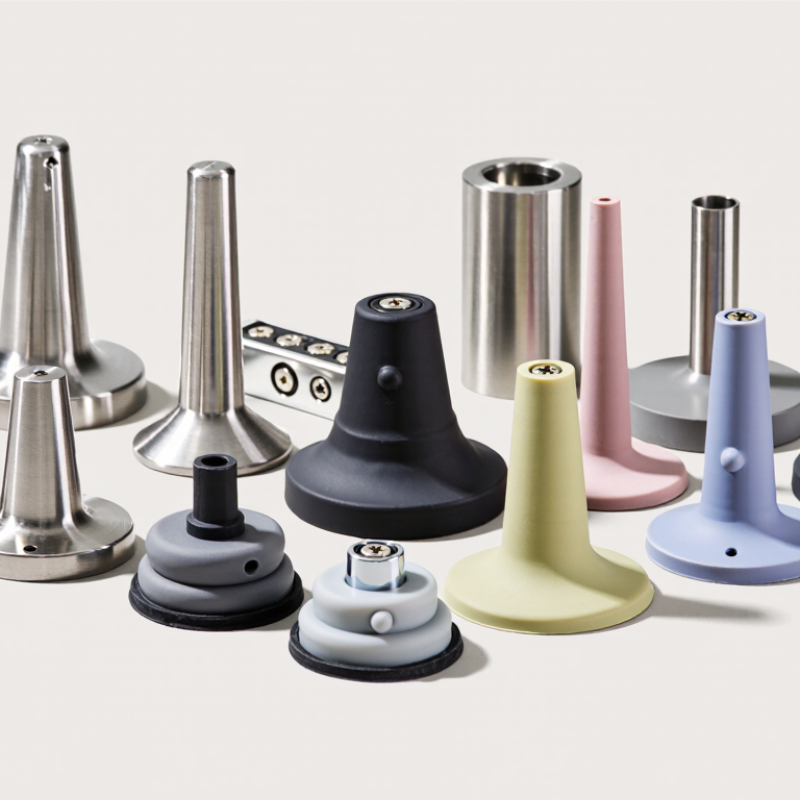
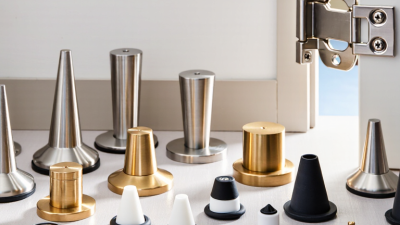
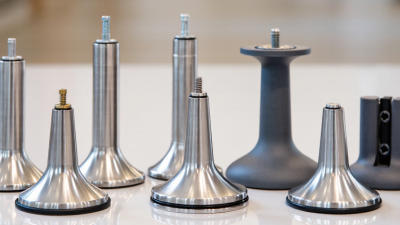
Door stoppers are small hardware components that limit door movement, protect walls, and reduce damage to hinges, handles, and nearby equipment. They may use rubber, stainless steel, brass, aluminum, or magnetic mechanisms. Their performance depends on door weight, opening angle, mounting surface, and daily traffic.
Global buyers need reliable suppliers because product failure creates hidden costs. A loose floor stopper can crack tiles. A weak wall model may leave dents after repeated impacts. Grand View Research groups door stoppers within the wider door hardware market, showing why standalone market figures remain inconsistent. UN Comtrade data also places many related fittings under HS 8302, rather than a dedicated stopper category. Buyers should request material specifications, load testing, corrosion results, and installation instructions. Ask for samples.
In real warehouse and hospitality projects, consistency matters more than appearance alone. Suppliers should control dimensions, plating thickness, screw quality, and batch inspection records. ASTM and ISO-based testing procedures can support more reliable comparisons, although they may not cover every stopper design. That gap deserves attention. A polished sample proves little if production quality changes later. Check packaging, replacement availability, and documented quality procedures before placing large orders. The cheapest offer can become expensive. Reliable sourcing also requires clear communication about door weight, floor type, climate, and expected impact frequency.
Comparative supplier profiles based on common international procurement requirements, including product range, material options, order flexibility, documentation, production lead time, and export suitability. Supplier names and brand information are intentionally omitted.
| Rank | Anonymous Supplier Profile | Main Door Stopper Types | Common Materials | Typical Load or Impact Range | Order Flexibility | Typical MOQ | Typical Production Lead Time | Common Export Documentation | Customization Capability | Best Fit for Global Buyers | Overall Score |
|---|---|---|---|---|---|---|---|---|---|---|---|
| 1 | Profile A: diversified hardware manufacturer with broad catalog coverage | Wall-mounted Floor-mounted Magnetic Hinged | Stainless steel, zinc alloy, brass, rubber, silicone | Light to heavy residential and commercial doors; approximately 20–80 kg door applications depending on design | Stock items and made-to-order programs | 100–500 pieces | 20–35 days after sample approval | Commercial invoice, packing list, certificate of origin, material declarations, inspection reports | Logo marking, finish, packaging, dimensions, color, and mounting hardware | Importers needing a full door-hardware range and stable repeat supply | 9.4 / 10 |
| 2 | Profile B: precision metal supplier focused on architectural hardware | Heavy-duty floor stops Wall stops Concealed stops | 304 stainless steel, 316 stainless steel, brass, aluminum, EPDM rubber | Medium to heavy commercial doors; corrosion-resistant options for demanding environments | Small pilot orders and production batches | 200–1,000 pieces | 25–40 days | Material certificates, inspection reports, packing documents, country-of-origin documentation | CAD-based development, CNC machining, surface finishing, private packaging | Construction distributors, commercial projects, and coastal applications | 9.2 / 10 |
| 3 | Profile C: high-volume OEM supplier for standardized door accessories | Rubber-tip stops Kick-down stops Floor stops | Zinc alloy, stainless steel, carbon steel, PVC, NBR rubber | Light to medium doors; common residential and office applications | Strong capacity for recurring container orders | 500–2,000 pieces | 18–30 days | Commercial invoice, packing list, product specification sheet, pre-shipment inspection records | Color, plating, carton design, barcode labels, and product dimensions | Wholesalers prioritizing competitive pricing and replenishment capacity | 9.0 / 10 |
| 4 | Profile D: specialist magnetic door-control component supplier | Magnetic wall stops Magnetic floor stops Door holders | Stainless steel, zinc alloy, neodymium magnets, silicone, rubber | Light to medium doors with controlled holding force; commonly 2–15 kg magnetic holding force | Sample-friendly and suitable for mixed specifications | 100–500 pieces | 20–35 days | Product drawings, magnet specifications, RoHS or REACH declarations when applicable, packing documents | Magnet strength, housing design, surface finish, color, and retail packaging | Buyers seeking clean aesthetics and practical door-position control | 8.9 / 10 |
| 5 | Profile E: stainless-steel hardware supplier for humid and high-traffic areas | Floor-mounted Wall-mounted Kick-down | 304 stainless steel, 316 stainless steel, silicone, EPDM rubber | Medium to heavy doors; suitable for kitchens, hotels, public buildings, and coastal regions | Standard products with moderate customization | 300–1,000 pieces | 25–45 days | Material grade certificates, salt-spray test reports when requested, invoice, packing list | Brushed or polished finishes, mounting plates, rubber components, and packaging | Projects where corrosion resistance and service life are priorities | 8.8 / 10 |
| 6 | Profile F: flexible private-label supplier for online and retail channels | Adhesive stops Wall stops Floor stops Magnetic stops | Zinc alloy, stainless steel, silicone, rubber, ABS plastic | Light to medium residential doors | Low-volume trial orders and assorted packaging formats | 50–300 pieces | 15–30 days | Commercial invoice, packing list, product labels, carton marks, basic product specifications | Retail boxes, inserts, labels, color combinations, and barcode application | E-commerce sellers, hardware retailers, and new-market testing | 8.6 / 10 |
| 7 | Profile G: architectural hardware supplier with premium surface-finish options | Concealed stops Floor stops Wall stops | Brass, stainless steel, zinc alloy, aluminum, nylon, rubber | Medium to heavy doors; engineered for appearance-sensitive installations | Project orders and specification-based purchasing | 200–800 pieces | 30–50 days | Technical drawings, finish samples, material declarations, inspection reports, export documents | Custom dimensions, PVD or electroplated finishes, engraving, and project packaging | Hotels, offices, residential developments, and design-led projects | 8.5 / 10 |
| 8 | Profile H: cost-efficient supplier for standard replacement parts | Rubber-tip stops Kick-down stops Basic floor stops | Carbon steel, zinc alloy, stainless steel, PVC, rubber | Light to medium doors in residential and general commercial use | Best suited to standard catalog specifications | 500–3,000 pieces | 18–28 days | Invoice, packing list, basic specification sheet, shipping marks, inspection checklist | Limited customization; mainly plating, color, labels, and carton quantities | Distributors competing primarily on unit cost | 8.2 / 10 |
| 9 | Profile I: small-batch supplier for specialized and replacement designs | Hinged stops Concealed stops Compact stops | Stainless steel, brass, aluminum, nylon, silicone | Light to medium doors; suitable for retrofit and space-constrained installations | Low-volume engineering orders | 50–250 pieces | 25–45 days | Drawings, sample approval records, packing list, commercial invoice, material statements | Prototype development, dimensional changes, 3D-printed samples, and custom packaging | Specialty retailers and buyers with unusual installation requirements | 8.0 / 10 |
| 10 | Profile J: general hardware supplier offering bundled door-accessory programs | Door stops Door holders Cabinet stops Related accessories | Stainless steel, zinc alloy, aluminum, plastic, rubber | Light to medium doors and general maintenance applications | Mixed-SKU purchasing and standard replenishment programs | 200–1,000 pieces per SKU | 20–40 days | Invoice, packing list, product catalog, carton labels, basic compliance declarations when applicable | Bundled sets, assortment packs, labels, colors, and retail packaging | Maintenance suppliers, building-material distributors, and multi-SKU buyers | 7.8 / 10 |
Note: MOQ, lead time, load range, documentation, and customization availability vary by design, order quantity, material, finish, destination market, and inspection requirements. Buyers should request current samples, drawings, test reports, and written quotations before placing a purchase order.