Leave Your Message

What Are the Top 10 Types of Pet Toys?

Pet Toys are no longer simple squeaky objects. They support exercise, exploration, chewing, problem-solving, and calmer daily routines. The American Pet Products Association’s 2023–2024 National Pet Owners Survey reports that 66% of U.S. households own a pet. That equals approximately 86.9 million homes. This large and diverse population creates strong demand for safer, more purposeful play products.

The global pet industry reached $147 billion in U.S. sales during 2023, according to APPA. However, industry revenue does not prove that every toy benefits every animal. The right choice depends on species, age, size, bite strength, health, and play style. As animal behaviorist Susan G. Friedman, PhD, explains, “Enrichment is not a thing, it is a process.” That principle gives this guide its direction. The following overview examines ten major Pet Toys categories, including chew toys, puzzle feeders, fetch toys, tug toys, electronic toys, and comfort toys. Each category offers practical value, but none is universally ideal.

A rubber puzzle may keep a food-driven dog engaged for fifteen minutes. A feather wand may encourage a cat to stalk, leap, and retreat behind a chair. Small details matter. Materials, seams, noise, and cleaning requirements deserve attention. No ranking is perfect. Some evidence also comes from manufacturer testing or consumer surveys, rather than independent clinical trials. Therefore, readers should combine product information with careful observation and veterinary guidance. A toy that looks exciting may frustrate one pet, while a plain ball may become another pet’s favorite.
What Are the Top 10 Types of Pet Toys?

Pet Toy Classification by Function, Material, and Play Style

What Are the Top 10 Types of Pet Toys?

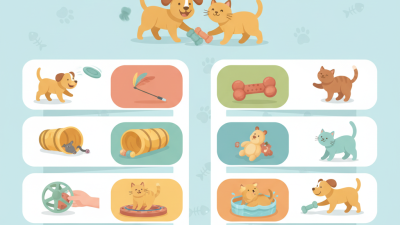
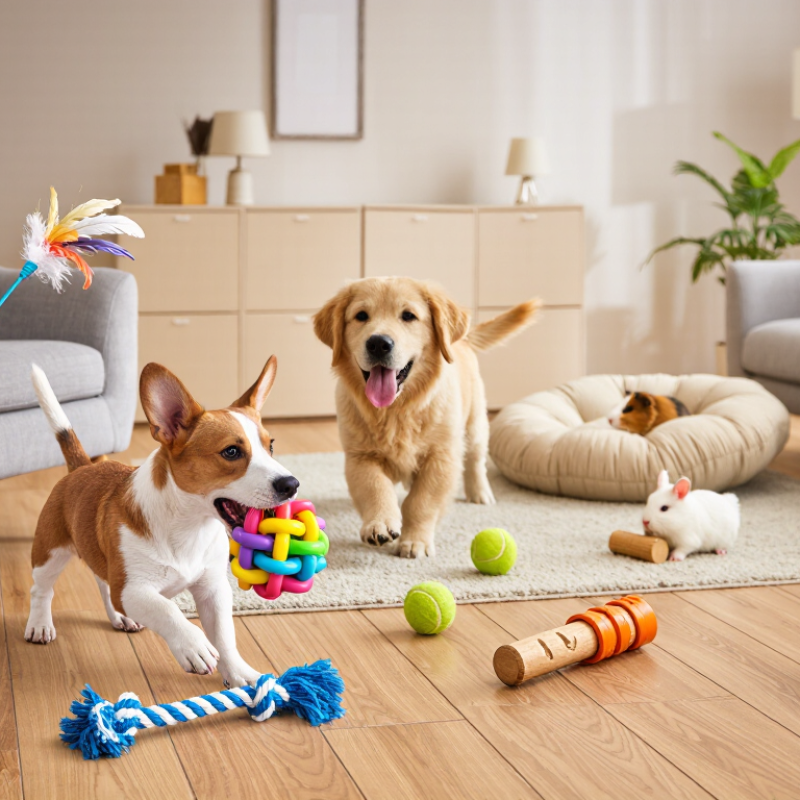
Pet toys are easier to compare when function, material, and play style work together. The ten most useful types include chew toys, fetch balls, tug ropes, puzzle feeders, treat dispensers, squeaky toys, plush comfort toys, teaser wands, play tunnels, and floating water toys. Chew toys often use rubber or durable nylon. Fetch balls may use rubber, foam, or tightly woven fabric. Tug ropes usually combine cotton fibers with knot-based designs.

Puzzle feeders and treat dispensers encourage problem-solving during meals. They suit curious pets that eat too quickly. Squeaky toys create sound-based excitement, while plush toys offer gentle carrying and comfort.

Teaser wands support chasing and jumping, especially for cats, but require supervision. Tunnels promote hiding, sprinting, and ambush-style play. Floating toys work well for water-loving dogs and should remain easy to retrieve.

Material choice matters more than bright colors. Check seams, filler, squeakers, and loose threads before each play session. Replace damaged toys immediately. I once thought a larger toy was always safer, but size must match the pet’s mouth and chewing strength.

A toy that feels soft may still break under strong pressure. Avoid toys with detachable parts for pets that swallow objects. Play style also changes with age, breed, confidence, and daily energy. Observe the pet closely. Their preferences can be surprisingly inconsistent.
Interactive Puzzle and Treat-Dispensing Toys for Mental Enrichment

What Are the Top 10 Types of Pet Toys?

Interactive toys deserve special attention because play can involve thinking, movement, and controlled reward. The American Pet Products Association reported that 66% of U.S. households owned a pet in 2023–2024. That broad market includes many animals with different abilities, ages, and feeding routines. The ten useful categories are food puzzles, treat-dispensing balls, snuffle mats, lick mats, hide-and-seek toys, scent games, tug toys, chase toys, chew toys, and automated motion toys.

Puzzle feeders and treat-dispensing toys are especially practical for mental enrichment. A dog may nudge a rolling dispenser across a kitchen floor, while a cat searches fabric pockets for hidden kibble. These actions can slow fast eating and encourage problem-solving. However, difficulty matters. A toy that is too hard may create frustration, not enrichment. Grand View Research valued the global pet toys market at approximately USD 3.2 billion in 2022 and projected continued growth through 2030, reflecting strong demand for varied play products.

I have found that simple designs often work best at home. Start with visible rewards, then increase the challenge gradually. Supervise the first sessions. Some pets chew puzzle parts instead of solving them, which is a useful warning. Remove damaged pieces and count treats within the daily diet. The American Veterinary Medical Association also emphasizes suitable supervision and safe product selection, although no toy is automatically safe for every pet. Preferences change, and my first choice may still be wrong.

This chart compares 10 common pet-toy types by the number of mental-enrichment mechanisms they support, including foraging, problem-solving, sensory exploration, independent play, and interactive engagement. Food puzzles and treat-dispensing toys generally provide the broadest combination of these activities.

Balls and Flying Discs for Fetching, Chasing, and Physical Exercise

Balls and flying discs are among the most useful pet toys for active dogs. They support fetching, chasing, coordination, and daily physical exercise. A properly sized ball should be too large to swallow, yet easy for the dog to carry. Durable rubber often works well because it is gentle on teeth and easier to clean. Some dogs prefer soft textures, while others enjoy a firm bounce. Individual preference matters.

Flying discs Flying discs encourage longer runs and sharper changes of direction. Use them in an open area with level ground and no nearby traffic. Keep throws low and smooth. High jumps may look exciting, but repeated hard landings can strain growing joints or older bodies. I have seen dogs ignore a perfect disc and chase a plain ball instead. That is a useful reminder: the best toy is not always the most impressive one.

Tips: Start with short sessions, especially for puppies, senior dogs, or unfit pets. Check toys for cracks, loose pieces, and sharp edges before every game. Replace damaged items promptly. Let the dog warm up with a slow walk. Avoid throwing directly toward the face. Offer water and pause when breathing becomes heavy. Supervision remains important, even with sturdy toys. Some dogs become overly excited and may guard the toy, so calm trading with a small treat can build safer play habits. It is not flawless training, but consistency helps.

Rope Toys and Wand Teasers for Tugging and Predatory Play

Rope toys and wand teasers support two powerful pet behaviors: tugging and predatory play. A braided rope gives dogs a textured surface to grip, pull, and release. It can also encourage movement during indoor play. However, rope fibers may loosen over time. I check the knots before every session and remove the toy when strands become long or frayed. A damaged rope is not worth saving.

Wand teasers work differently. The moving attachment imitates prey, encouraging cats to stalk, chase, pounce, and pause. I move the wand across the floor, behind furniture, and briefly out of sight. These changes make play feel more natural. Never leave a wand teaser unattended. The string can wrap around paws or necks, and small attachments may become swallowing hazards. Choose a toy suited to the pet’s size and chewing strength.

Tips: Keep tugging cooperative, not forceful. Teach a clear release cue. Avoid pulling upward or twisting a dog’s neck. For cats, let them catch the teaser occasionally, or frustration may build. Rotate toys weekly to maintain interest. Wash washable ropes according to their care instructions, then dry them completely. I sometimes overestimate how durable a toy is, so regular inspection matters more than packaging claims. Short play sessions are usually safer and easier to supervise.

What Are the Top 10 Types of Pet Toys? - Rope Toys and Wand Teasers for Tugging and Predatory Play

Rank Pet Toy Type Primary Play Behavior Best-Suited Pets Key Benefits Typical Materials Recommended Supervision Overall Usefulness
1 Rope Tug Toys TuggingPulling Dogs that enjoy interactive play, especially small to large active breeds Encourages exercise, supports human–pet interaction, and can provide mild tooth-cleaning friction Twisted cotton, polyester, or blended fibers High; remove loose or frayed fibers and do not allow prolonged unsupervised chewing ★★★★★
2 Wand Teaser Toys ChasingPouncing Cats and other small pets with strong chase instincts Promotes stalking, jumping, coordination, and mentally stimulating predatory play Flexible rods, fabric strips, feathers, ribbons, or soft attachments High; store out of reach because strings and attachments may be swallowed ★★★★★
3 Treat-Dispensing Puzzle Toys ForagingProblem-solving Dogs and cats that are food-motivated or need slower feeding Provides mental enrichment, extends mealtime, and encourages controlled problem-solving Food-grade rubber, hard plastic, silicone, or wood Moderate; choose an appropriate difficulty and inspect for cracks ★★★★★
4 Fetch Balls ChasingRetrieving Dogs that enjoy running and returning objects Supports aerobic activity, recall practice, and interactive bonding Solid rubber, foam, felt, or durable synthetic materials Moderate; use a size that cannot be swallowed and avoid damaged balls ★★★★★
5 Chew Toys ChewingGnawing Dogs with moderate to strong chewing habits Offers an appropriate chewing outlet and may help reduce boredom-related chewing Natural rubber, nylon, durable silicone, or specially treated wood High; no chew toy is indestructible, and overly hard items may damage teeth ★★★★★
6 Plush Squeaky Toys ShakingMimicking prey Dogs and cats that prefer soft, lightweight toys Encourages interactive play and can satisfy carrying, shaking, and hunting behaviors Fabric, fleece, synthetic filling, and enclosed squeaker components High for destructive chewers; remove stuffing or squeakers if exposed ★★★★☆
7 Catnip and Scented Toys SmellingKicking Many adult cats; response varies between individual cats Stimulates scent-based exploration and may encourage batting, rolling, and kicking Fabric shells filled with catnip, silver vine, or other pet-safe scents Low to moderate; replace torn toys and use scents in moderation ★★★★☆
8 Interactive Electronic Toys TrackingChasing Cats and dogs that respond to moving or unpredictable objects Creates movement-based enrichment and can encourage activity when owners are unavailable Plastic housings, motors, sensors, fabric covers, and batteries Moderate; inspect battery compartments and supervise initial use ★★★★☆
9 Rope and Ring Combination Toys TuggingRetrieving Medium and large dogs that enjoy structured games Combines pulling and fetching while supporting active handler-led exercise Woven fibers, rubber rings, and reinforced fabric sections High; check knots, seams, and rubber sections after each vigorous session ★★★★☆
10 Ball Track and Rolling Toys BattingPawing Cats, small dogs, and indoor pets that enjoy independent play Encourages paw coordination, visual tracking, and short bursts of indoor activity Hard plastic tracks, lightweight balls, rubber, or molded composite materials Moderate; ensure openings are safe and replace cracked components ★★★★☆

Chew Toys, Plush Toys, Electronic Toys, and Climbing Structures

What Are the Top 10 Types of Pet Toys?

The ten most useful categories include chew toys, plush toys, electronic toys, climbing structures, rope toys, puzzle toys, treat-dispensing toys, balls, teaser wands, and fetch toys. Demand is substantial. The American Pet Products Association reported that 66% of U.S. households owned a pet in its 2023–2024 National Pet Owners Survey. Grand View Research estimated the global pet toys market at about $7.57 billion in 2023. These figures suggest strong interest, but popularity does not guarantee suitability.

Chew toys should match an animal’s size, bite strength, and chewing habits. Inspect them often for cracks or loose pieces. Plush toys offer comfort and gentle play, although determined chewers may destroy seams quickly. Electronic toys can provide movement and mental stimulation. Still, noise and flashing lights may frighten sensitive pets.

Climbing structures support cats that need height, hiding areas, and controlled exercise. Stability matters more than decoration. A wobbling platform is not enrichment.

Puzzle toys and treat dispensers encourage problem-solving, while balls and fetch toys support active movement. Rope toys can promote interactive play, but frayed fibers require immediate removal. Teaser wands and electronic toys should not replace supervised interaction.

That assumption deserves reconsideration. In my experience, pets often ignore expensive designs and choose a simple ball or worn plush toy.

The better choice depends on behavior, age, health, and household space. No toy is universally safe. Regular observation remains essential.