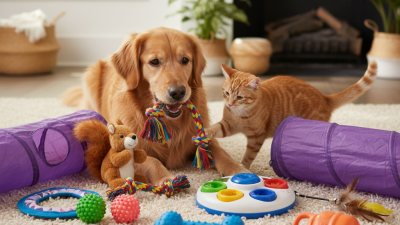
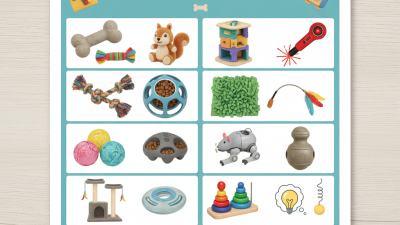
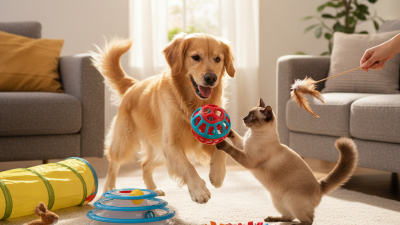
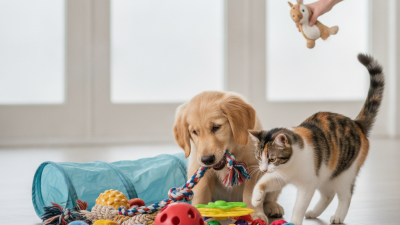
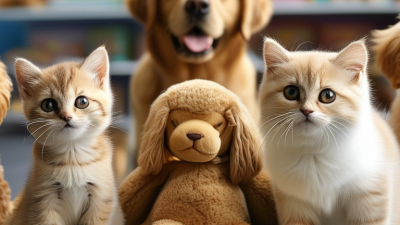
Pet Toys are more than colorful objects scattered across a living room. They can support play, movement, problem-solving, and a stronger bond between pets and their owners. A rubber ball may encourage a dog to run across the garden. A puzzle feeder can make a cat pause, sniff, and work for a small meal. These simple moments often turn ordinary routines into meaningful interaction.
For pet owners, choosing suitable toys also means understanding an animal’s age, size, chewing habits, and energy level. Veterinary professionals and animal behavior specialists commonly recommend safe, durable toys that match a pet’s natural behaviors. Fetch toys can support exercise, while chew toys may help satisfy a dog’s urge to gnaw. Interactive toys can reduce boredom when pets spend time alone, although they should not replace human attention or daily care.
Safety still requires careful judgment. No toy is completely risk-free. Owners should inspect loose parts, damaged seams, sharp edges, and pieces small enough to swallow. Supervision matters, especially with powerful chewers, puppies, kittens, and older animals. A toy that delights one pet may frustrate another. I have noticed that pets often ignore expensive products and choose a cardboard box instead. That is worth remembering. The best choice is not always the newest or most costly option. It is the one that safely suits the individual pet and encourages healthy, enjoyable engagement.
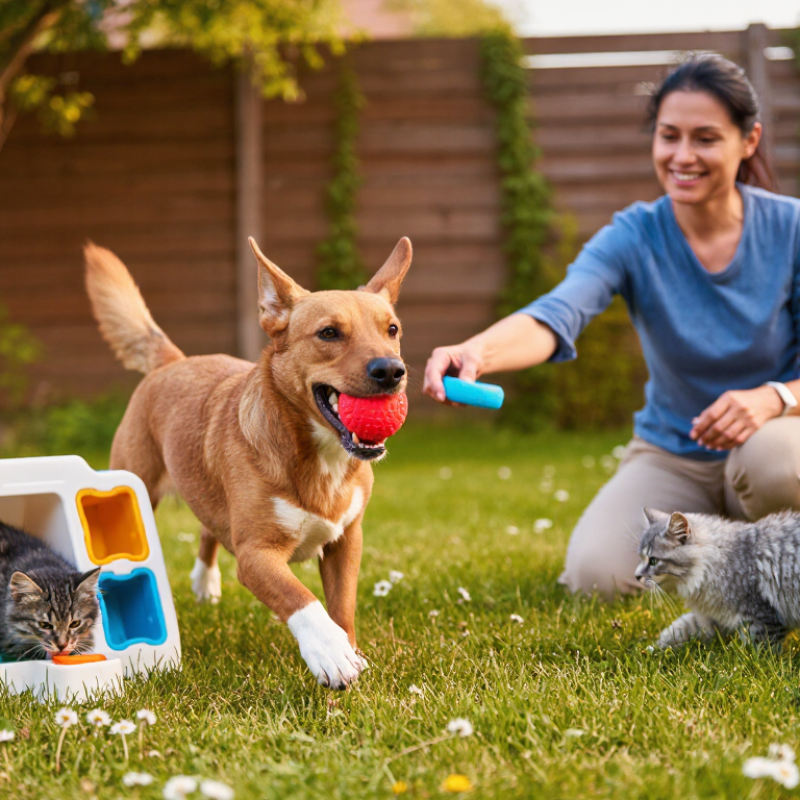
Pet toys are objects designed for play, exploration, chewing, chasing, or problem-solving. They include soft toys, balls, tug items, puzzle feeders, and durable chew products. A useful toy matches the animal’s size, age, strength, and play style. A small rubber ball may suit a gentle cat, but it can frustrate a large, energetic dog. That difference matters.
Toys give pets safe ways to use natural behaviors. Dogs may chase, carry, or chew, while cats often stalk, pounce, and bat moving objects. Puzzle toys can slow fast eating and encourage simple decision-making. Play also creates shared routines between pets and owners. I have noticed that a toy placed near a sleeping area often receives little attention. Moving it beside a doorway can suddenly make it interesting. Not always.
Owners should inspect toys regularly for loose threads, sharp edges, broken parts, or pieces that could be swallowed. Supervision is especially important during chewing and tugging. Expert animal-care guidance generally supports short, varied play sessions rather than leaving every toy available constantly. Rotation can restore curiosity, although it is not a perfect solution. Some pets simply dislike certain textures. Watching body language helps: relaxed movement, voluntary engagement, and brief pauses usually suggest comfortable play. Hiding, stiff posture, or repeated avoidance deserves attention. A toy should support well-being, not become another source of pressure.
Pet toys are more than cheerful distractions. They create short bursts of movement, problem-solving, and controlled interaction. For dogs, chasing, tugging, and carrying can engage muscles and coordination. For cats, stalking and pouncing imitate parts of natural hunting behavior. The Association for Pet Obesity Prevention’s 2022 survey estimated that 59% of dogs and 61% of cats were overweight or obese. Play cannot replace measured meals or veterinary care. However, it can support a more active routine.
Mental stimulation matters too. Food puzzles can slow fast eaters and encourage persistence. Squeaky toys may attract attention, but some pets quickly lose interest. AAFP and ISFM feline environmental guidelines recommend opportunities for play, exploration, and predatory behavior. Similar enrichment principles benefit many dogs. Bored pets may chew furniture, vocalize, or become restless. Yet not every “interactive” toy works equally well. My first choice can be wrong.
Tips: Match the toy to your pet’s size, age, strength, and play style. Rotate several toys instead of leaving everything out. Use simple cardboard puzzles for supervised sessions. Check seams, strings, and small pieces daily. Stop using damaged toys immediately. Watch your pet’s body language. If play causes freezing, guarding, or frantic behavior, reduce the challenge and ask a veterinarian or qualified behavior professional for guidance.
Toys give pets and owners a shared language. A dog may bring a soft toy when it wants attention, play, or reassurance. A cat may tap a rolling ball, then watch whether its owner responds. These small exchanges reveal preferences more clearly than forced handling. I once offered my dog a puzzle toy when he seemed tired, and he ignored it completely. I had mistaken boredom for low energy. That mistake taught me to observe body language before choosing an activity.
Interactive play can strengthen trust because pets learn that owners respond consistently. Gentle tug games may teach a dog to pause and release on cue. Wand play can encourage a cat to chase, stop, and return without using hands as targets. Animal behavior professionals often recommend short sessions because frustration can quickly replace enjoyment. Keep your voice calm. Notice relaxed muscles, bright eyes, and voluntary approach. If a pet turns away, hides, or becomes unusually tense, end the session and reconsider the toy.
Tips: Rotate a few suitable toys instead of leaving everything out. Let your pet choose sometimes. Start with five-minute sessions and observe what changes. Check toys regularly for loose pieces, damaged seams, or materials your pet could swallow. I still misread signals occasionally, so I adjust rather than insist. A toy works best when it supports mutual attention, not when it demands performance.
Choosing a toy is not only about keeping a pet busy. The right toy supports exercise, curiosity, and healthy chewing. I have learned that pets can reject expensive-looking toys but enjoy simple, well-fitted ones. Safety must come before appearance. A toy should match the animal’s size, age, strength, and playing style. Puppies may need soft, durable objects for teething, while strong adult dogs require toys without loose parts. Cats often prefer lightweight toys that move unpredictably. However, string toys should be removed after play because swallowing threads can cause serious problems.
Different pets need different materials and designs. Rabbits usually benefit from untreated, chew-safe items and hiding spaces. Birds need toys suited to their beak strength, with no sharp edges or detachable pieces. Small mammals require objects that cannot trap toes or block breathing. Always check the toy before use. Look for cracked plastic, torn fabric, loose fillings, and damaged attachments. Guidance from a veterinarian can help when a pet has dental problems, allergies, or unusual chewing habits. I sometimes underestimate how quickly a determined pet can destroy a toy, so regular inspection is essential.
Why Are Pet Toys Important for Pet Owners?
How to Use, Clean, and Replace Pet Toys Responsibly
Pet toys support exercise, mental stimulation, and safer daily play. A suitable toy can redirect chewing away from furniture, shoes, and unsafe objects. Watch how your pet plays before choosing one. Some pets shred soft toys quickly, while others need puzzles or sturdy chew items. Supervise new toys, especially during the first few sessions. Remove loose threads, broken pieces, or sharp edges immediately. Small parts can become choking hazards.
Clean toys according to their materials and condition. Wash fabric toys regularly with mild detergent, then rinse them thoroughly. Let them dry completely before returning them to your pet. Moisture trapped inside can create unpleasant odors and microbial growth. Hard toys need warm water, careful scrubbing, and full drying. Check hidden cracks too. I once overlooked a tiny split under a toy, and it collected dirt for weeks. That was careless.
Replace toys when damage affects safety, not merely appearance. A faded color is usually harmless, but exposed stuffing or cracked rubber is different. Rotate several safe toys to reduce boredom and slow wear. Avoid giving too many at once. Keep a simple inspection routine, perhaps during weekly cleaning. Still, routines can fail on busy days. If a toy smells strange, feels unusually sticky, or loses its shape, retire it. A replacement may seem wasteful, yet preventing an avoidable injury matters more.
| Toy Category | Main Benefit | Responsible Use | Cleaning Method | Recommended Check | Replace When |
|---|---|---|---|---|---|
| Chew Toys | Supports chewing activity and can help reduce boredom. | Choose a size that cannot be swallowed and supervise strong chewers. | Wash according to the material instructions; rinse thoroughly and dry completely. | Before every use, check for deep cracks, sharp edges, or loose pieces. | Immediately if pieces break off, the toy becomes small enough to swallow, or sharp edges appear. |
| Puzzle and Treat-Dispensing Toys | Encourages problem-solving, foraging behavior, and mental stimulation. | Use suitable treat portions and adjust meals to avoid unnecessary excess calories. | Empty food residue after use; wash removable parts with warm water and mild dish soap when permitted. | Check seams, openings, and moving parts for trapped food or damage. | When it can no longer be cleaned properly or has damaged parts that may be swallowed. |
| Fetch Toys | Promotes physical activity and interactive play. | Use in a safe, open area and avoid throwing hard objects directly at the pet. | Rinse dirt away, clean with pet-safe soap, and allow the toy to dry before storage. | Inspect for punctures, frayed sections, and changes in shape. | When it is cracked, punctured, heavily frayed, or releases material during play. |
| Tug Toys | Provides interactive exercise and can reinforce controlled play. | Teach release and stop play if the pet begins aggressively chewing or swallowing fibers. | Machine-wash only if the care label allows it; otherwise hand-wash and air-dry fully. | Look for loose knots, exposed threads, and fraying after each play session. | As soon as threads, rope strands, or attachment points become loose. |
| Plush Toys | Offers comfort and gentle play for pets that do not destroy soft toys. | Remove plastic parts, squeakers, or stuffing if they become accessible. | Wash using the care label; dry completely to prevent odor and microbial growth. | Check seams, eyes, noses, squeakers, and stuffing after every session. | When seams open, stuffing comes out, or small components detach. |
| Balls and Rolling Toys | Encourages movement, chasing, and retrieval. | Select a ball large enough that the pet cannot fit it fully in its mouth or throat. | Rinse after outdoor use and remove dirt from grooves or holes. | Check for compression, cracks, punctures, and worn surfaces. | When the ball becomes damaged, overly soft, or small enough to present a choking risk. |
| Cat Wands and Teaser Toys | Supports stalking, pouncing, coordination, and active play. | Use only with supervision and store out of reach because strings and attachments can be hazardous if swallowed. | Wipe the handle and washable attachment; follow the care instructions for fabric parts. | Inspect strings, hooks, bells, feathers, and attachment points before each use. | Immediately if the string frays or any feather, bell, hook, or small attachment loosens. |