Top Soft Toy Trends for 2026 What Should Buyers Know
The soft toy market is evolving rapidly. As we approach 2026, understanding the latest trends becomes crucial for buyers and manufacturers. Industry expert Dr. Emily Carter, a renowned toy designer, emphasizes, “Soft toys must adapt to changing tastes and technology.” This insight highlights the dynamic nature of the soft toy industry.
Emerging themes include eco-friendly materials and interactive features. Consumers are increasingly focused on sustainability. They seek soft toys made from organic fabrics. Additionally, toys that incorporate technology are gaining popularity. Children want their soft toys to play music or connect to apps.
However, challenges remain. Not every company can pivot quickly to meet these new demands. Some brands may struggle to balance tradition with innovation. Buyers must watch these trends carefully. They should also consider brand reputation and safety regulations. In this shifting landscape, picking the right soft toy supplier is vital for long-term success.
Top Soft Toy Trends for 2026: Key Features to Expect
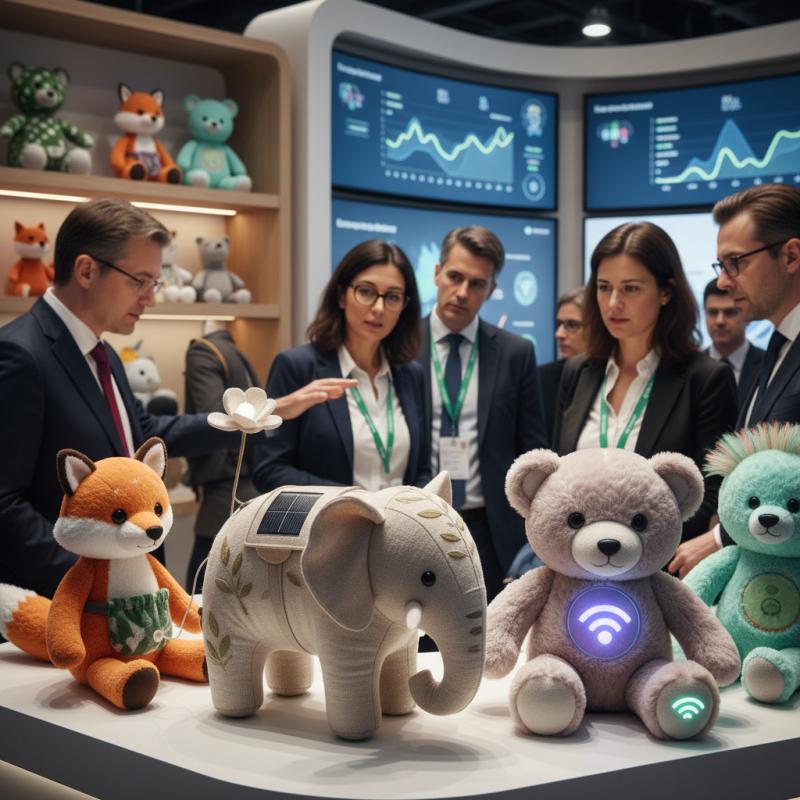
The soft toy market is evolving rapidly. In 2026, several key features will shape the industry. Sustainability is a leading trend. Buyers will prioritize toys made from eco-friendly materials. Brands are responding with organic cotton and recycled fabrics. Parents want to ensure safe playtime for their children.
Interactivity is another crucial element. Soft toys that respond to touch will gain popularity. Expect toys that can tell stories or sing songs. This adds an engaging layer to traditional play. However, some toys may not perform as advertised. This can lead to disappointment for both kids and parents.
Additionally, personalization will become significant. Customizable toys allow children to express individuality. Names or unique designs make each toy special. Nevertheless, balancing mass production with customization presents challenges. It’s essential for companies to find sustainable solutions while meeting consumer demands.
Sustainability in Soft Toys: The Move Towards Eco-Friendly Materials
As the soft toy industry evolves, sustainability emerges as a significant concern. Consumers are increasingly aware of their environmental impact. Eco-friendly materials are now at the forefront of design choices. This trend reflects a broader commitment to sustainable living. Organic cotton, recycled polyesters, and biodegradable fillers are gaining popularity. These materials reduce waste and minimize pollution.
The push for sustainable soft toys is driven by consumer demand. Parents are looking for products that are safe for their children and the planet. However, not all eco-friendly toys are created equal. Some manufacturers may exaggerate their use of sustainable materials. Buyers should research thoroughly to ensure authenticity. Labels like “certified organic” or “recycled content” hold real value.
There are challenges in sourcing sustainable materials, too. The transition to greener practices can be costly. Small manufacturers often struggle to maintain affordability. Additionally, some eco-friendly materials may not offer the durability consumers expect. This raises questions about long-term usage and waste. Navigating these complexities is crucial for informed purchasing decisions. Understanding the balance between sustainability and quality is vital in this evolving market.
Personalization and Customization: The Growth in Buyer Preferences
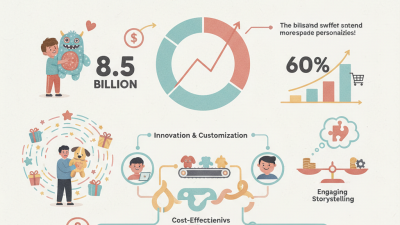
The toy industry is witnessing a marked shift towards personalization and customization. In 2026, buyers increasingly prefer soft toys that resonate with their unique identities. A recent market analysis reveals that 72% of consumers are willing to pay a premium for personalized items. This trend reflects a deep-rooted desire for connections and self-expression.
Soft toy manufacturers are responding to this demand. Many companies offer customization options, allowing buyers to create toys that align with personal stories or significant life events. For instance, consumers can choose colors, patterns, and even embed names or messages in the toys. However, this shift is not without challenges. Quality control and supply chain management can complicate the fulfillment of personalized orders.
As brands dive into this arena, they must weigh the benefits against potential pitfalls. Some customization processes can lead to longer wait times and increased costs. Maintaining a balance between creativity and efficiency is crucial. Insights suggest the personalized toy market could grow by 15% annually, but brands must refine their offerings to truly meet consumer expectations.
Top Soft Toy Trends for 2026
Technological Integration: The Rise of Smart Soft Toys
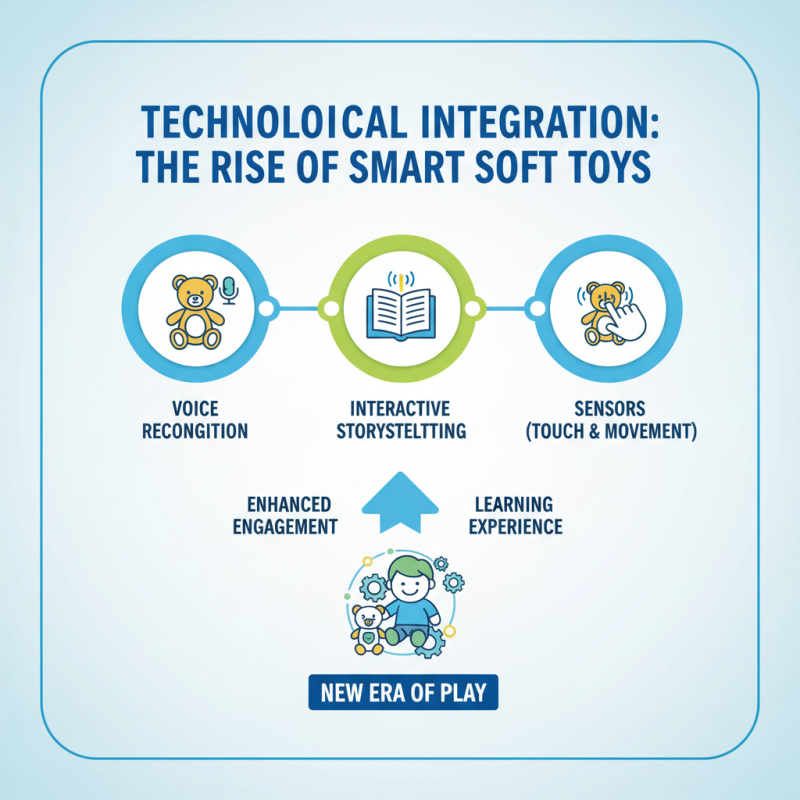
As technology advances, the world of soft toys is evolving. Smart soft toys are becoming increasingly popular among consumers and children alike. These toys often integrate features like voice recognition, interactive storytelling, and even sensors to respond to touch and movement. This integration creates a unique play experience, enhancing engagement and learning.
However, potential concerns arise. While these toys offer new opportunities, parents may worry about privacy and screen time. Smart toys can collect data, raising questions about security and consent. Additionally, reliance on technology might limit traditional imaginative play. Striking a balance between tech integration and classic play is essential for a healthy development.
The design of smart soft toys also plays a critical role in their appeal. They need to be not only functional but also aesthetically pleasing and emotionally comforting. Many parents seek toys that can provide educational value while still fostering affection and connection. As trends develop, buyers should keep an eye on the blend of technology and tradition in soft toys, ensuring they choose products that support meaningful play.
Market Growth Projections: Insights into Industry Trends for 2026
The soft toy market is set to experience significant growth in 2026. As consumer preferences evolve, buyers should stay informed on key trends. Sustainability is becoming a central theme. Eco-friendly materials are gaining traction. Many customers now prefer toys made from organic fabrics. This shift towards sustainability reflects broader environmental concerns.
Another trend is the rise of interactive toys. These toys engage children in unique ways. Parents seek options that combine education with fun. This demand for interactive features drives innovation in design. However, quality and safety must remain top priorities.
Tips for buyers: Consider toys that promote creativity. Look for options that inspire imaginative play. Also, research manufacturers to ensure they prioritize safety standards. Investing in well-made toys often pays off in longevity. Be open to new designs and concepts that reflect current trends. Exploring emerging styles may lead to exciting discoveries.