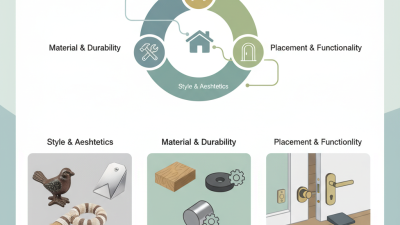
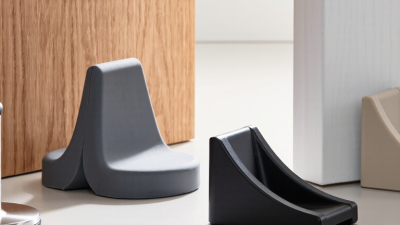
2026 Best Door Stopper Types for Every Door?
Choosing the right Door Stopper in 2026 requires more than picking the first sturdy-looking product. Doors differ in weight, clearance, swing direction, flooring, and daily use. A rubber wedge may hold a lightweight bedroom door, while a magnetic stop may suit a busy hallway. Heavy fire-rated or solid-wood doors often need stronger hardware and careful installation.
This guide examines practical Door Stopper types for apartments, offices, workshops, bathrooms, and family homes. It considers grip on tile, wood, carpet, and uneven surfaces. It also reviews wall protection, magnet strength, corrosion resistance, mounting methods, and cleaning needs. Small detail. Big difference. A stopper that works perfectly on a dry floor may slide across polished stone after cleaning. A wall-mounted model can prevent damage, but poor screw placement may weaken plaster or mark decorative trim.
The recommendations reflect common installation experience, manufacturer specifications, and basic door-hardware practice. Product claims still deserve checking. Weight ratings may vary between brands, and real-world performance depends on alignment and maintenance. There is no universal best choice. Even careful advice can miss an unusual threshold, loose hinge, or strong draft. That limitation matters.
Expect clear comparisons, practical selection guidance, and honest trade-offs. You will find options for temporary use, permanent mounting, narrow gaps, high-traffic entrances, and moisture-prone rooms. The goal is simple: secure the door without creating another problem. Fit matters. Safety matters more.
Door Stopper Basics: Purpose, Design, and How They Work
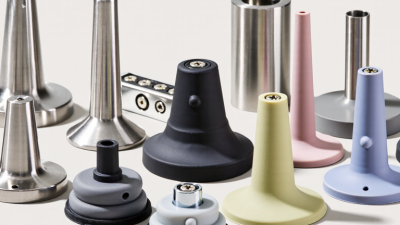
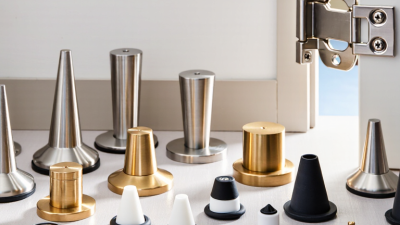
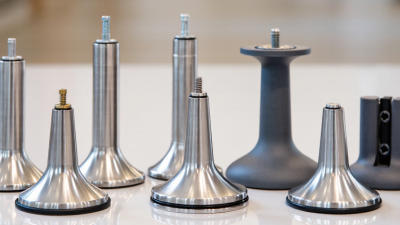
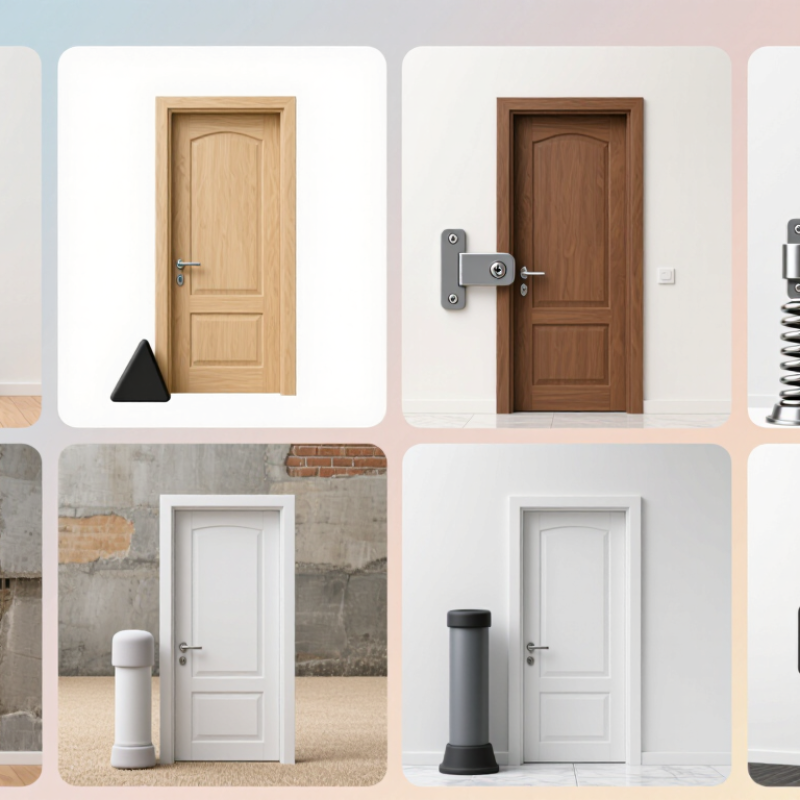
A door stopper limits movement, protects walls, and reduces impact noise. It works by creating resistance between the door and a fixed surface. Common designs include wedge, hinge-pin, floor-mounted, wall-mounted, magnetic, and overhead models. A rubber wedge grips the floor, while a hinge-pin stopper transfers force through the hinge. Magnetic types hold the door open, then release it with a firm pull.
The best choice depends on the door’s weight, clearance, floor finish, and daily traffic. A heavy timber door may need a floor or overhead stopper. A lightweight interior door often needs only a flexible wedge. A 2024 global door hardware market analysis by Grand View Research projected steady growth through 2030, driven partly by renovation and replacement demand. That trend matters because small hardware now serves more varied door systems.
Accessibility needs careful attention. The 2010 ADA Standards for Accessible Design, Section 309.4, set a five-pound maximum opening force for many interior, non-fire doors. A stopper that grips too tightly can make that requirement harder to meet. Fire-rated assemblies also require professional review; a casual wedge may interfere with closing or latching. It looks simple.
Installers sometimes place wall stops too low, allowing handles to strike plaster above them. That mistake is easy to miss. I would not call any stopper universal. Door swing, hinge condition, and surface strength still decide whether the design works.
2026 Best Door Stopper Types for Every Door
Door stoppers limit door travel, protect walls and hardware, and help control opening angles. The chart shows typical door-opening ranges for common stopper designs. Actual performance depends on door weight, hinge position, mounting surface, and product adjustment.
Main Door Stopper Types and Their Best Uses
2026 Best Door Stopper Types for Every Door?
Main Door Stopper Types and Their Best Uses
Choosing a door stopper depends on door weight, wall material, traffic, and clearance. Grand View Research’s 2024 door hardware analysis projects steady market growth through 2030, reflecting continued demand for durable, practical fittings. That demand does not make every stopper suitable for every doorway.
Hinge-pin stoppers fit lightweight interior doors with standard hinges. They are compact and easy to install, but repeated impact can loosen hinge screws. Floor-mounted stoppers suit heavier doors and high-traffic entrances. Use them on tile, concrete, or timber floors after checking the drilling area.
Wall-mounted rubber stoppers work well in homes and offices, especially where floor drilling is undesirable. They need solid wall fixing, not weak plasterboard alone.
Magnetic holders keep doors open and prevent sudden movement. They are useful near kitchens, corridors, and service areas, but the magnet must align correctly. Kick-down stoppers offer quick control for utility doors, although their rubber feet may wear faster in wet locations.
Hydraulic door holders provide controlled movement and can reduce slamming in busy buildings. Their adjustment requires care.
The BHMA A156.16 standard classifies door stops and holders by function and durability. Check the product’s rated duty before installation. Fortune Business Insights’ 2024 door hardware report also identifies durability and maintenance as major purchasing factors.
In practice, installation quality often matters more than stopper type. I have seen strong hardware fail because the screws were too short. That detail is easy to overlook.
Safety, Durability, and Maintenance Considerations for 2026
Choosing the best door stopper in 2026 requires more than matching hardware to a room. Safety, durability, and maintenance should guide the decision.
A heavy interior door may need a floor-mounted stopper with a wide rubber contact. It reduces wall impact and stays stable on tile or timber. Wall-mounted models work well where floor drilling is unsuitable.
Hinge-pin stoppers suit light doors, but they can loosen after repeated use. Magnetic stoppers hold doors open neatly, although their magnets may collect dust and weaken over time.
Safety depends on placement. A stopper should prevent the handle from striking the wall without creating a trip hazard. Keep floor models away from narrow walking paths, especially near bathrooms and bedrooms. Rounded edges are safer than sharp metal corners. For homes with children, check that small caps and screws cannot detach easily. A poorly positioned stopper can pinch fingers or block an escape route. That detail is easy to miss.
Durability comes from regular inspection, not just strong materials. Tighten screws when the stopper moves under hand pressure. Replace cracked rubber tips before metal touches the door or wall. Wipe magnetic surfaces monthly with a dry cloth. In damp rooms, inspect for rust around screws and mounting plates. During practical maintenance checks, I have found that over-tightening screws can damage soft wood and reduce holding strength. That mistake is common. It deserves reconsideration. A flexible rubber bumper may absorb impact better than a rigid stop, yet it may require earlier replacement. Check the door swing every few months, because seasonal swelling can change the stopping point.