Leave Your Message

China Top Custom Stuffed Toy Manufacturer for Wholesale

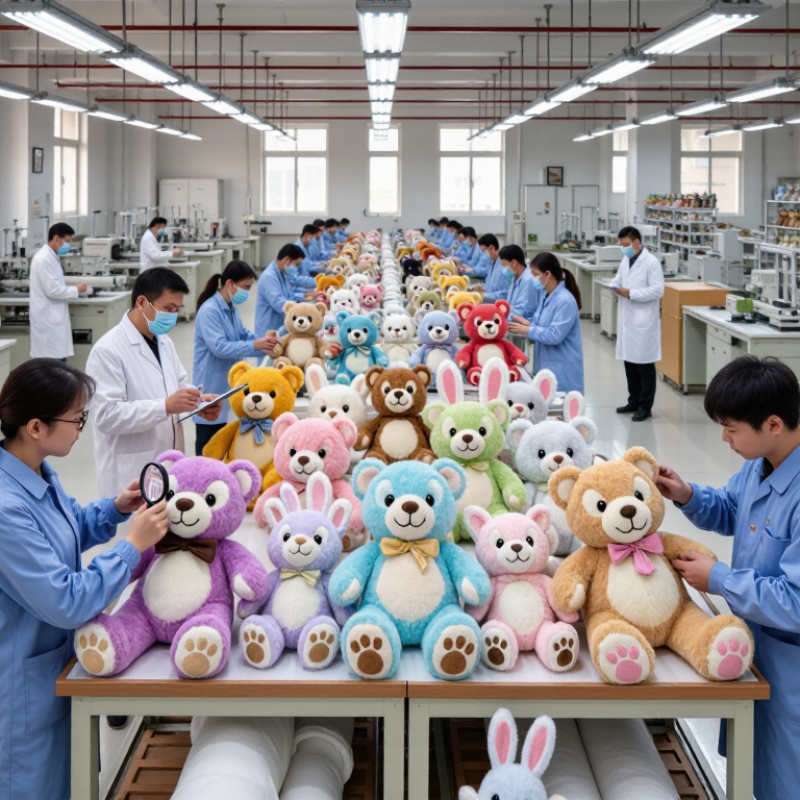
Choosing a China top custom stuffed toy manufacturer for wholesale is about more than finding a low unit price. A sketch must become a sample, then a repeatable product with consistent fabric, stitching, shape, and finish. Small details matter: the placement of embroidered eyes, the feel of a fleece panel, and whether seams stay neat across a production run.

Walt Disney once observed, “You can design and create, and build the most wonderful place in the world. But it takes people to make the dream a reality.” His words are not specific to plush manufacturing, but they fit the work: skilled pattern makers, sample-room teams, and quality inspectors turn an idea into a tangible toy. A reliable Custom Stuffed Toy supplier should explain its sampling process, material options, production controls, and communication steps in plain language.

Look closely. Ask how revisions are handled, what the sample represents, and how defects are recorded before shipment. Clear answers build confidence. Still, no factory is perfect, and a polished sample cannot guarantee every bulk unit will match it exactly. That is worth remembering. This guide explores how wholesale buyers can compare manufacturers, assess practical capabilities, and make informed decisions without treating attractive promises as proof.
China Top Custom Stuffed Toy Manufacturer for Wholesale

Understanding China’s Custom Stuffed Toy Manufacturing Industry

China Top Custom Stuffed Toy Manufacturer for Wholesale

Understanding China’s Custom Stuffed Toy Manufacturing Industry

China’s custom stuffed toy industry brings together fabric sourcing, pattern development, sewing, filling, and quality checks. Factories may produce prototypes and wholesale orders, but minimum quantities and lead times vary with materials, design complexity, and seasonal demand. A toy with embroidered eyes, curved seams, and a tiny jacket needs more handwork than a simple, flat-shaped character. Details matter.

Reliable production starts with a clear specification: finished dimensions, fabric type, color references, filling density, seam placement, and packaging. Buyers should review a physical sample and ask how it will guide bulk production. Check stitching, loose fibers, shape consistency, and whether the toy sits as intended. Safety requirements differ across markets, so confirm relevant testing and documentation with qualified providers before production. This step is easy to underestimate.

Production can still vary. Fabric batches may shift slightly in shade, and filling can settle after handling. A practical supplier explains tolerances, inspection points, and correction procedures instead of promising perfect uniformity. Written records help, but they cannot replace clear communication when a sample needs adjustment. Sometimes a simpler design works better. It can reduce sewing steps and improve consistency, even if the first concept feels less distinctive.
How Wholesale Buyers Choose a Manufacturing Partner

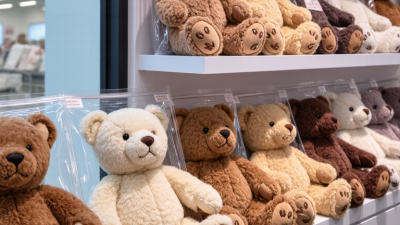
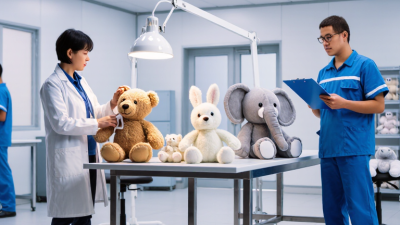
Wholesale buyers should compare manufacturing partners through evidence, not polished sample photos. Ask for material specifications, seam-strength checks, stuffing consistency, and batch-level inspection records. A firm squeeze test matters: the toy should recover evenly, with no hard lumps or loose seams. The U.S. Consumer Product Safety Commission’s 2023 toy-related injury report estimated 231,700 emergency-department-treated injuries among children aged 14 and younger. That figure makes documented quality controls more than paperwork. A sample can look excellent while batch control remains weak. This is easy to miss.

Check production capacity against your order size and delivery calendar. Request a realistic sample-to-production timeline, clear defect procedures, and updates when materials change. The World Bank’s 2023 Logistics Performance Index ranked China 19th among 139 economies; national logistics performance, however, cannot guarantee one factory’s shipping reliability. Ask for recent dispatch records and confirm how cartons are protected against crushing and moisture. For custom plush toys, review fabric swatches, embroidery placement, and color tolerance before approving bulk production. A small mismatch may be acceptable, or costly; agree on limits in writing. A factory’s willingness to show process records can be more useful than a low quotation. Check the details twice.

China Top Custom Stuffed Toy Manufacturer for Wholesale - How Wholesale Buyers Choose a Manufacturing Partner

Evaluation Dimension What Wholesale Buyers Should Check Useful Evidence to Request Why It Matters
Custom Design and Product Development Confirm whether the factory can work from sketches, reference images, measurements, and material or color requirements. Ask how design changes are handled during development. Development workflow, sample specifications, revision process, and written approval records. Clear development procedures help align the approved sample with the intended bulk product.
Sampling and Approval Ask about sample stages, sample charges, estimated sample timing, and how final approval is documented before production. Sample timeline, sample-cost terms, approved specification sheet, and dated sample approval. A documented approval point reduces misunderstandings about appearance, dimensions, materials, and construction.
Toy Safety and Market Compliance Identify the destination market, intended age group, and applicable toy-safety and chemical requirements. Requirements vary by market and product. Relevant test reports for the product and materials, details of the testing laboratory, and confirmation that the tested construction matches the order. Safety obligations depend on the product and sales destination. For example, buyers may need to review applicable requirements such as ASTM F963 and CPSIA in the United States, or EN 71 and applicable EU requirements in Europe.
Materials and Component Traceability Check fabric, filling, thread, accessories, and any small or detachable parts. Ask how material substitutions are controlled. Material specifications, supplier or batch records where available, and written approval requirements for substitutions. Consistent materials support repeat orders and help buyers verify product specifications and compliance documentation.
Quality-Control Process Understand how incoming materials, in-process work, and finished goods are checked. Ask how defects are recorded and corrective actions are handled. Inspection checklist, sample inspection records, defect classification process, and corrective-action procedure. Defined checks make quality expectations easier to communicate and verify throughout production.
Production Capacity and Scheduling Discuss the requested quantity, product complexity, production window, peak-season constraints, and how schedule changes are communicated. Order-specific production plan, milestone dates, capacity confirmation, and update procedure. Capacity should be assessed against the specific order and schedule rather than assumed from general claims.
MOQ and Cost Transparency Request a quote that separates product cost from sample, packaging, tooling, testing, and freight-related charges where applicable. Confirm quantity breaks and payment terms. Itemized quotation, validity period, minimum order quantity, payment schedule, and clear terms for changes or cancellations. Transparent terms help buyers compare offers on a consistent basis and understand total order costs.
Packaging and Labeling Specify individual packaging, carton requirements, product labels, care information, and destination-market labeling needs. Packaging artwork proof, label details, carton dimensions, and written packing specifications. Approved packaging specifications help prevent avoidable receiving, retail, or compliance issues.
Export and Shipping Readiness Confirm the proposed shipping terms, shipping documents, carton information, booking responsibilities, and delivery schedule. Written Incoterms® rule and named place, packing list details, commercial invoice information, and shipping schedule. Clear responsibilities and documentation support smoother coordination between the factory, buyer, and logistics providers.
Communication and Order Management Agree on a primary contact, response expectations, approval deadlines, and escalation steps for quality or schedule concerns. Named project contacts, communication plan, meeting notes, and a shared order milestone tracker. Reliable communication helps buyers address changes and problems before they affect delivery or product acceptance.
Intellectual Property and Confidentiality Discuss ownership or permitted use of buyer-provided artwork, patterns, characters, and product specifications. Put confidentiality and use restrictions in writing. Signed confidentiality terms and contract language covering design files, tooling, and authorized production use. Written terms clarify how custom designs and confidential materials may be used.

Buyer tip: Compare prospective manufacturing partners using the same product brief, quantity, destination market, packaging requirements, and delivery window. Verify documents against the exact product being ordered; requirements and lead times can vary by product and order.

Custom Toy Design and Production Steps

Custom stuffed toy production starts with a clear design brief. Define the toy’s purpose, target age range, finished size, and expected wholesale quantity. A sketch helps, but measurements matter more. Note ear length, body width, and facial feature placement. Choose fabric by touch and use. Short-pile plush shows crisp shapes; longer pile feels softer but can hide small details. Specify stuffing firmness and compare physical color swatches when possible.

A pattern maker turns the design into fabric panels. The first sample often reveals problems drawings miss, such as a head that tips forward or seams that pull. Review shape, softness, stitching, and color under ordinary room light. Mark changes clearly, then approve a revised sample before bulk production. During production, check seam consistency, embroidery alignment, filling distribution, and finishing. Keep an approved sample and written specifications for reference. Small details matter. One review may not be enough.

Tips: Share artwork in a clear, editable format, and label each requested change. Ask for fabric and color approvals before production. If a feature looks slightly off, record the issue instead of assuming it will fix itself.

Materials, Safety Standards, and Quality Control

China Top Custom Stuffed Toy Manufacturer for Wholesale: Materials, Safety Standards, and Quality Control

For wholesale plush toys, material choice affects feel, durability, and testing needs. Textile Exchange’s Materials Market Report 2024 estimates global fiber production reached 124 million tonnes in 2023; polyester made up 57%. Recycled fiber may reduce reliance on virgin material, but its origin and batch consistency still need verification. Check fabric weight, colorfastness, stuffing cleanliness, and trim strength before approving a sample. Soft is not safe.

Safety requirements depend on the destination market. Buyers should identify applicable toy standards, such as EN 71, ASTM F963, or ISO 8124, then request relevant test reports for the finished product. The European Commission’s 2023 Safety Gate report recorded 3,412 alerts, with toys accounting for 23%. That figure is a useful reminder, not a prediction of risk for any one shipment. Small sewn-on details, seams, and accessible filling deserve close attention.

A practical quality plan checks incoming fabric and stuffing, then inspects samples from production batches. Pull tests can expose weak seams; needle detection can help identify metal fragments. Keep records linking materials, test results, and finished batches. Details matter. No checklist catches every defect, and sampling can miss a weak seam. Buyers should review failures with the factory and adjust controls, rather than treating a passed sample as proof that every unit is identical.

U.S. CPSIA Chemical Limits Relevant to Stuffed Toys

Selected federal limits for regulated substances in children’s products. Lower limits indicate stricter maximum concentrations.

The phthalate limit applies to each of the eight phthalates restricted by CPSIA in covered children’s toys and child-care articles. Requirements depend on the product and materials used. Sources: U.S. Consumer Product Safety Commission (CPSC), CPSIA lead and phthalate requirements.

Wholesale Pricing, Minimum Orders, and Shipping Options

Wholesale pricing for custom stuffed toys depends on more than the unit count. Size, fabric, embroidery, filling, and packaging all affect the quote. A small plush toy with simple stitching will usually cost less than a large design with several embroidered details. Share a clear specification and target quantity when requesting prices. Ask whether sampling, packaging, and shipping are included. The cheapest quote can be misleading. Costs may change after a physical sample reveals details that were unclear in a drawing.

Minimum order quantities vary by design and materials. A new fabric color or custom label may require a higher order than a standard option. Ask the manufacturer to quote several quantities, such as 300, 500, and 1,000 pieces, so you can compare the unit cost. Request a sample before approving bulk production. It takes time. Shipping by sea is often more economical for larger orders, while air freight or courier services can suit urgent shipments or samples. Transit time, destination, carton size, and seasonal congestion all matter. Confirm which costs are included and who handles import duties, since these depend on the destination. Allow extra time for production and shipping; plans can slip, and a tight schedule leaves little room to correct a sample issue.