Leave Your Message

10 Best Animal Stuffed Toys for Wholesale Buyers

Animal Stuffed Toy buying looks simple until a shipment arrives. Fur feels rough, seams pull, or a lion’s face looks different across the batch. Wholesale buyers need more than appealing photos; they need repeatable quality, clear specifications, and designs that suit their customers.

Circana reported that toy sales across 12 global markets fell 7% in 2023. That broad-market figure is not specific to plush animals, but it highlights why buyers should weigh demand carefully. Grand View Research’s stuffed animal and plush toys market report offers a category-focused view; its estimates are useful context, not a guarantee of future sales. For each candidate, check fabric, stitching, filling, size consistency, packaging, and age guidance. Details matter.

Child-development expert Dr. Michael Yogman, lead author of the American Academy of Pediatrics report “The Power of Play,” wrote: “Play is not frivolous: it enhances brain structure and function and promotes executive function.” That insight helps explain plush toys’ enduring appeal, though it does not replace practical product checks. I’ll admit: a cute face can distract buyers from weak stitching. The selections below focus on recognizable animal designs and wholesale considerations, from soft bears to bright jungle characters. Use them as a shortlist, then request samples and compare specifications before placing a large order.
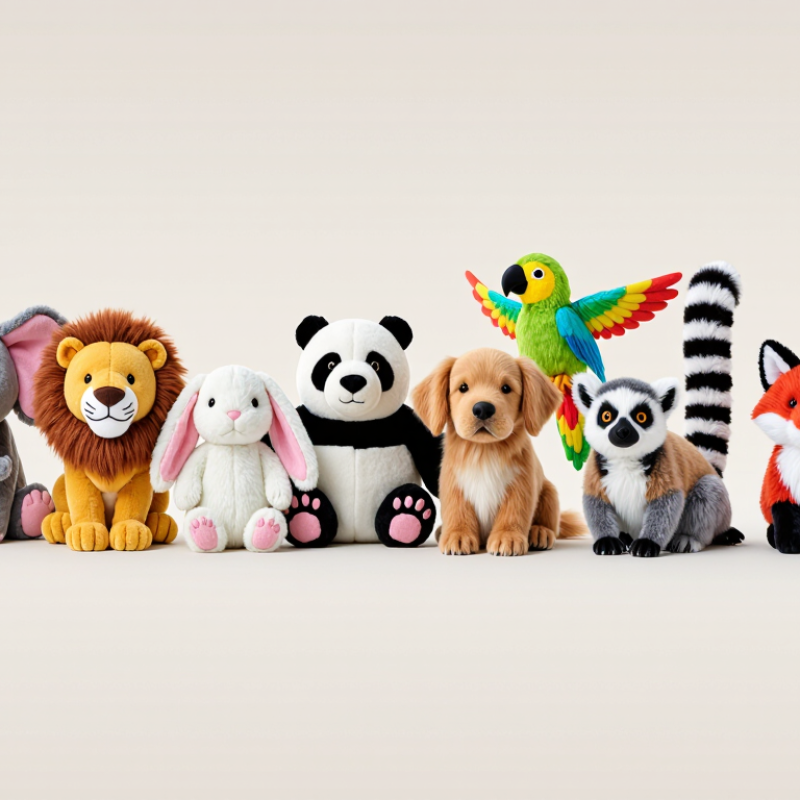
10 Best Animal Stuffed Toys for Wholesale Buyers

Define Wholesale Selection Criteria: Safety, Durability, and Retail Appeal

For wholesale buyers, safety begins with details that are easy to overlook. Check secure eyes, embroidered features, smooth seams, and stuffing that stays inside when the toy is squeezed. Request current test documentation and confirm that its scope matches the product and intended sales markets. Age guidance should be clear and supported by the supplier’s records. Small parts matter. A plush toy may look harmless on a shelf, yet loose trim can change the risk.

Durability affects returns as much as safety does. Inspect stress points around the neck, limbs, and seams, then wash a sample according to its care instructions. Look for loose threads, flattened pile, color transfer, or lumpy filling afterward. A single test cannot predict every customer’s use, but it can reveal weak construction early. Keep notes and compare samples; memory is a poor quality-control tool.

Retail appeal is more than a cute face. Consider whether the toy feels distinctive, fits common gifting occasions, and displays well in a crowded store. Offer a balanced range of sizes, colors, and animal types, while checking that each style has a clear reason to earn shelf space. I would not trust appearance alone. Even experienced buyers can misjudge what shoppers will pick up, so small trial orders may be wiser than a large commitment.
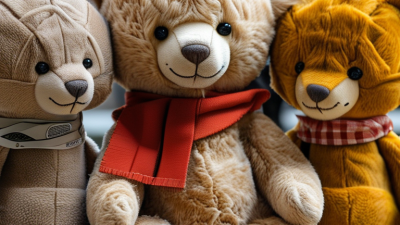
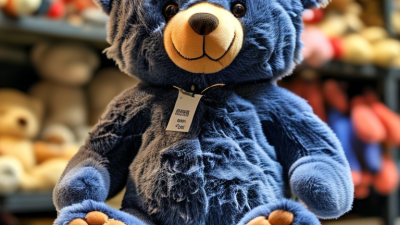
Compare 10 Animal Plush Types by Materials, Size, and Age Grade

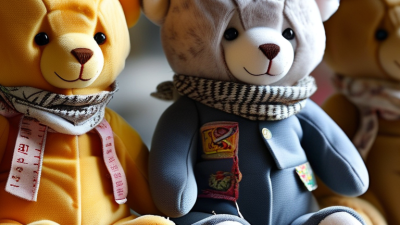
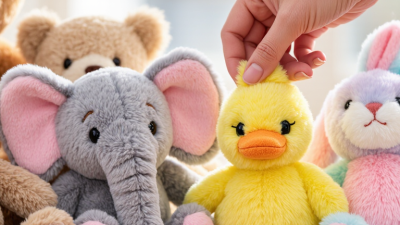
Bears and rabbits suit classic assortments: choose embroidered features, polyester plush, and 20–30 cm sizes for broad gift appeal. Dogs and cats often sell well in 15–25 cm formats, with short-pile fabric easier to brush clean. Elephants need broad ears and firm stitching; 25–35 cm bodies show those details clearly. Dinosaur plush works in compact 15–25 cm sizes, while farm animals benefit from simple shapes and soft, washable polyester. Sea animals, such as whales, can use smooth velboa; woodland animals and birds stand out with textured, longer pile. These are practical assortment ranges, not universal standards. Size changes everything.

For age planning, small, simple plush without detachable parts is often positioned for younger children, while detailed or accessory-based designs may suit older buyers. Final age grades depend on construction and applicable safety testing, not appearance alone. The U.S. Consumer Product Safety Commission estimated 209,500 toy-related emergency-department injuries among children aged 14 or younger in 2022; the figure covers toys broadly, not plush alone. One trade-off: larger toys photograph well, but take more shipping and shelf space.

Tips: Request material specifications, seam-strength results, and a sample before ordering. Compare finished dimensions, not just pattern size. Check labels and age-grade decisions against the requirements in your sales market. A cute detachable bow can complicate a design; sometimes simpler is better.

Check U.S. Safety Limits: 100 ppm Lead and 0.1% Restricted Phthalates

For wholesale buyers, a soft animal toy can still contain small hard parts, printed details, or plastic accessories. For children’s products sold in the U.S., check that accessible component parts meet the 100 ppm lead limit. Applicable restricted phthalates must not exceed 0.1% in covered accessible parts. The fabric pile alone does not tell the full story.

Ask suppliers for test reports tied to the exact toy, materials, and production batch. Check details such as plastic eyes, nose pieces, coatings, and sewn-on decorations. Reports for a similar-looking sample may not cover a changed component. Keep records close. A clear paper trail makes follow-up easier when a shipment arrives.

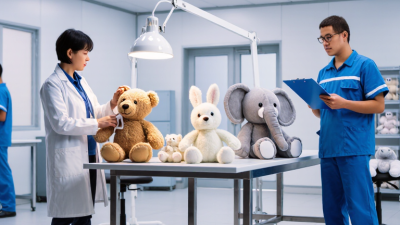
Inspect samples in person, too. Rub printed areas, tug gently at seams, and look for loose fibers or sharp edges. These checks do not replace laboratory testing, but they can reveal issues worth asking about. I have seen buyers focus on color and price, then overlook a tiny plastic detail. It is an easy miss. Good documentation and careful sample review help buyers compare plush animals with more confidence.

10 Best Animal Stuffed Toys for Wholesale Buyers

Check U.S. Safety Limits: 100 ppm Lead and 0.1% Restricted Phthalates

U.S. CPSIA limits include 100 ppm total lead in accessible component parts and 0.1% (1,000 ppm) for each regulated phthalate in applicable accessible plasticized components. The phthalate limit is converted to ppm here for comparison. Requirements depend on the product and component; confirm applicable testing and certification before sale.

Evaluate Wholesale Costs Using MOQ, Unit Price, and Case-Pack Size

For the 10 best animal stuffed toys, compare the full order cost, not just the listed unit price. A low price may come with a high minimum order quantity (MOQ), tying up cash in slow-moving designs. Ask suppliers to quote the MOQ, unit price, and case-pack size together. For example, a case of 24 bears may require buying six cases, even if you only need 100 pieces.

Check how case packs affect your assortment. A carton might contain one animal in a single color, or mixed colors and sizes. That changes how easily you can stock a shelf or test customer demand. Request a written packing breakdown and confirm whether partial cases are available. Also ask whether the quoted unit price includes individual packaging; a small plastic-free bag or hang tag can change the real cost. A neat spreadsheet can still miss these details. It happens.

Tips: Calculate the minimum spend as MOQ multiplied by unit price, then adjust for whole case packs. Compare that figure across suppliers. Keep a little room for a sample order, too. Check stitching, softness, and labeling before committing; photos cannot show everything. If a supplier’s quote seems unusually simple, ask one more question.

Assess Suppliers by ASTM F963 Testing, Capacity, and Reorder Reliability

For wholesale buyers, a soft animal toy is only a sound purchase when its safety evidence matches the product being ordered. Request ASTM F963 test documentation for the specific toy, including its materials, seams, eyes, and age grading. Check the report date and product details rather than relying on a general statement that toys are tested. Ask who performed the testing and whether any design or material changes require a fresh review. Paperwork can look reassuring. It still needs careful checking.

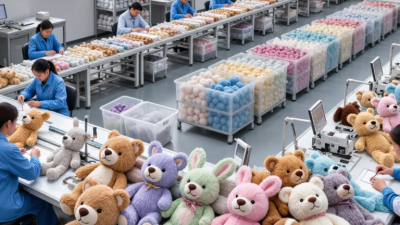
Assess production capacity with practical questions: How many units can the supplier make each month, and what happens during peak season? Compare the approved sample with a production sample, paying attention to stitching, fabric feel, and small parts. A factory’s quoted capacity may not reflect its available schedule. That gap matters. Ask how inspections are recorded and how defects are handled before goods ship; vague answers deserve follow-up.

Reorder reliability is easier to judge through records than promises. Request lead-time ranges for repeat orders, minimum order quantities, and examples of how delays were communicated. Confirm whether the same fabric colors and filling can be sourced again. A slight shade difference may be acceptable, but buyers should agree on tolerances in advance. Keep specifications, test documents, and approved samples together, then compare each reorder against them. The process is not perfect, and seasonal materials can shift; clear records make those surprises easier to manage.