Leave Your Message

10 Plush Toy Buying Tips for Global Buyers

Global plush demand creates opportunity, but a strong market does not make every supplier reliable. Grand View Research’s Stuffed and Plush Toys Market report estimated the global market at about $11.5 billion in 2022, with projected growth through 2030. Circana, meanwhile, reported that toy sales across 12 major markets fell 7% in 2023. These figures tell two different stories: long-term potential and short-term pressure. Both matter when buyers compare quotes, production capacity, and quality controls.

A Plush Toy can look charming in a sample photo and still disappoint in a shipment. Check fabric feel, seam strength, embroidery, stuffing consistency, and how the toy holds its shape after handling. Details matter. Request samples from the intended production line, not just a showroom piece, and inspect more than one unit. A neat sample can still hide uneven stitching. That is easy to overlook.

Play researcher Dr. Stuart Brown offers a useful reminder: “The opposite of play is not work—it’s depression.” His point is about play’s value, not a purchasing specification, but it helps explain why comfort, appeal, and age-appropriate design deserve attention alongside price. The Toy Association’s market and safety resources can help buyers frame supplier questions; independent inspection can add another layer of confidence. No checklist removes all risk. It can, however, expose weak documentation, vague material descriptions, and inconsistent workmanship before a large order is placed.
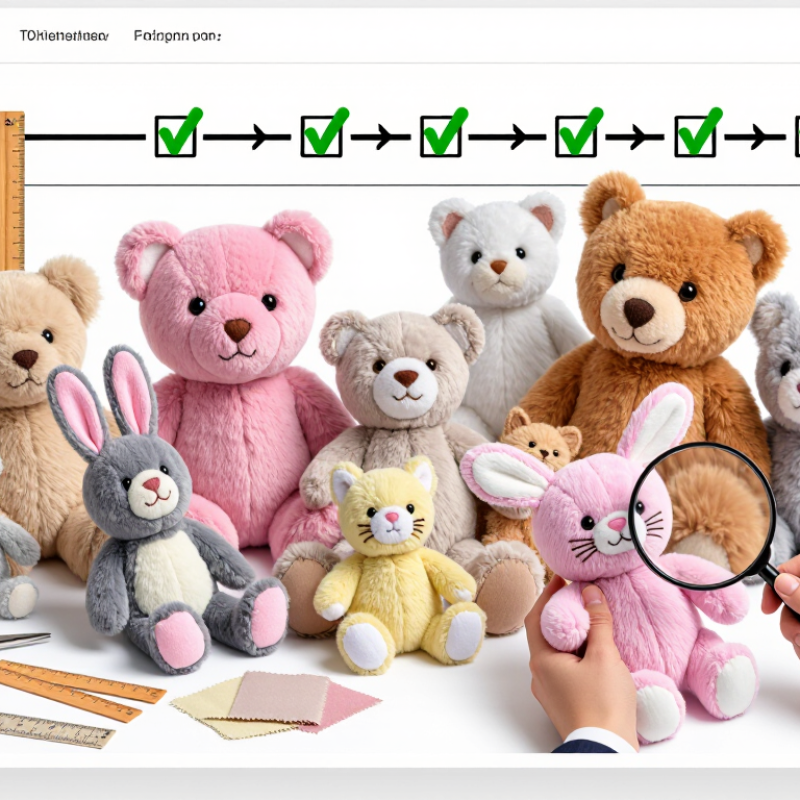
10 Plush Toy Buying Tips for Global Buyers

Define Your Market, Audience, and Plush Toy Requirements

Before requesting quotes, define the market and the person who will use the toy. A gift-shop customer may want a soft, decorative animal, while a preschool buyer may prioritize easy-to-clean fabric and firmly sewn features. Be specific about the intended age range. Small details matter. Ask local buyers what sizes, colors, and price points feel right; assumptions can miss the mark.

Write down the product requirements before comparing suppliers. Include finished size, fabric feel, filling, colors, accessories, packaging, order quantity, and delivery window. Request a physical sample when possible. Check the seams, softness, shape, and color in ordinary daylight; product photos can hide uneven stitching or a lumpy fill. Not every preference can be fixed at a low target price. Decide which features are essential and which can change. Also confirm that the toy’s materials and construction meet applicable requirements for its destination and intended age group. Requirements vary, so verify them with a qualified testing provider or importer before placing an order. Allow time for sample revisions. A rushed approval is easy to regret.
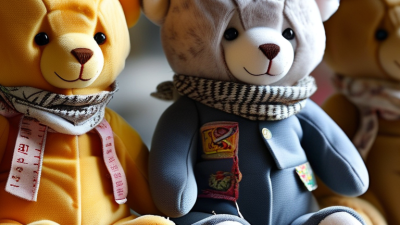
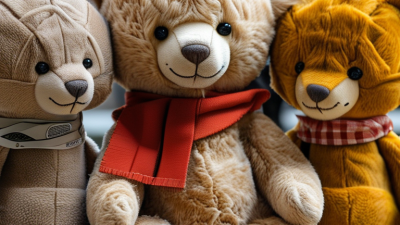
10 Plush Toy Buying Tips for Global Buyers — Define Your Market, Audience, and Plush Toy Requirements

This checklist groups 10 planning tips into three areas: market (target country, sales channel, and price range), audience (age group, intended use, and preferences), and product requirements (size, materials, safety standards, and packaging). The bars show the number of checklist items in each area, not market survey results.

Evaluate Fabric, Filling, Design, and Product Safety

A plush toy’s softness begins with its fabric, but touch alone is not enough. Ask suppliers for fiber composition, colorfastness results, and test records for the finished toy. Textile Exchange’s Materials Market Report 2024 estimates that global fiber production reached 124 million tonnes in 2023, with polyester making up 57%. That scale makes clear material disclosure useful, though fiber type alone does not prove quality. Check for loose fibers, rough seams, and color transfer after gentle rubbing. Feel the seams. A small snag can reveal weak stitching.

Filling should sit evenly, without hard lumps or escaping fibers; press the toy’s belly and limbs, then check whether they recover their shape. Design details need the same scrutiny: pull embroidered features and attached parts firmly, and inspect openings that could expose filling. The U.S. Consumer Product Safety Commission estimated 231,700 toy-related emergency-department injuries among children aged 14 and younger in 2023. That figure covers toys broadly, not plush toys alone, but it supports careful age grading and safety testing. Request reports for the exact model and destination market, not a similar sample. A clean certificate can still leave gaps if its test scope is unclear. My own buying checklist would include lot traceability, although that detail is easy to overlook when a sample looks perfect.

10 Plush Toy Buying Tips for Global Buyers - Evaluate Fabric, Filling, Design, and Product Safety

# Buying Dimension What to Evaluate Practical Checks Buyer Action
1 Fabric and hand feel Assess pile length, softness, density, backing, and suitability for the intended age group and use. Inspect the fabric in person; rub and brush the pile to check for shedding, rough areas, or uneven texture. Request fiber-content details. Approve a production-representative swatch and confirm that fabric specifications are documented.
2 Color and dye performance Check color consistency between components and resistance to color transfer during handling or care. Compare samples under consistent lighting. Ask for relevant colorfastness test results, such as testing for rubbing or washing where applicable. Set approved color references and tolerances; verify production goods against the approved sample.
3 Filling material and distribution Confirm the declared filling type, resilience, cleanliness, and even distribution throughout the toy. Press and reshape the sample; look for lumps, empty areas, or filling escaping through seams. Request material and traceability information. Specify filling composition and quality requirements in the product documentation.
4 Seams and construction Review seam placement, stitch consistency, closures, and reinforcement at stress points such as limbs and necks. Inspect inside and outside construction where possible; gently check joints and seams for gaps, loose threads, or exposed filling. Request applicable seam-strength or abuse-test evidence for the target market and age grading.
5 Facial features and attachments Evaluate eyes, noses, buttons, ribbons, accessories, and other attached parts for age-related hazards. Check whether parts can detach or expose sharp points or small components. Embroidered features may be preferable for some products intended for young children. Have the finished toy assessed under the applicable small-parts and mechanical-safety requirements.
6 Design and intended age Consider size, weight, shape, play features, and foreseeable use when determining the intended age range. Review the complete design for detachable parts, long cords, accessible filling, or features that could create hazards during ordinary or foreseeable play. Agree on age grading before testing; warnings should not be used as a substitute for designing out hazards.
7 Chemical compliance Check applicable chemical restrictions for textiles, coatings, prints, plastic parts, and other accessible materials. Request test reports for the destination market and exact product materials. Requirements may include limits on certain elements or restricted chemicals. Confirm reports match the current design, materials, and applicable rules, such as relevant CPSIA or EU requirements where applicable.
8 Flammability and physical safety Verify that the finished toy meets the relevant flammability and mechanical-safety rules in each intended sales market. Use an appropriately qualified testing laboratory and check that samples represent the final product, including trims and accessories. Identify destination-country standards before production; examples include applicable EN 71 or ASTM F963 requirements.
9 Care instructions and labeling Confirm care guidance, fiber or material information, warnings, and required consumer or traceability details. Check the label language and durability; verify that care instructions are consistent with the materials and validated cleaning method. Review labeling against local market rules and ensure required information is clear, accurate, and legible.
10 Sampling and production consistency Assess whether the approved sample, tested sample, and bulk production share the same materials, dimensions, and construction. Compare random production units with the approved sample; check dimensions, appearance, workmanship, and packaging. Keep a signed reference sample and written specifications; arrange inspections and retesting when a material or design changes.

Note: Safety and labeling requirements vary by destination market, product design, and intended age. Confirm current requirements with qualified testing and compliance professionals before sale.

Verify Supplier Credentials and Manufacturing Capabilities

For global buyers, supplier checks should go beyond a polished catalog. Request the company’s registration details, factory address, export experience, and two recent customer references. Confirm that the documents match the legal business name on your quotation and invoice. Paperwork can mislead. A live video call or independent factory visit can help confirm that the workshop exists and is actively producing plush toys.

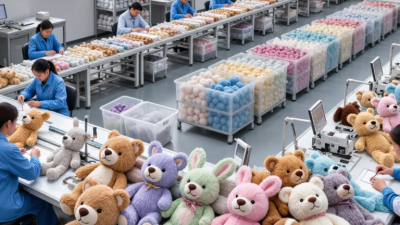
Ask which steps happen in-house, such as pattern cutting, sewing, embroidery, stuffing, and final inspection. This matters because subcontracting can affect schedules and consistency. Request photos of the production floor, equipment, and storage areas, then compare them with the supplier’s stated capacity. Look closely. A small workshop may handle a modest order well, but struggle with a sudden volume increase. Ask for realistic monthly output and lead times, not only the best-case estimate.

Review the supplier’s quality-control process and ask how it records defects, rework, and material batches. Check a sample for even seams, secure stitching, consistent stuffing, and clean embroidery. Then ask whether the production batch will follow the same specifications. A video call is useful, but it does not prove daily consistency. I have seen buyers focus heavily on sample appearance and overlook how quality is checked across hundreds of units; that is an easy mistake to make.

Review Samples, Quality Standards, and Customization Options

A plush toy sample is more than a preview. Check its shape, stitching, fabric feel, and weight against your product brief. Gently tug the seams and inspect small details, such as embroidered eyes and ear placement. Ask whether the sample uses the same materials and construction planned for bulk production. A polished sample can still hide inconsistencies. Request clear notes about any differences.

Quality standards should be discussed in specific terms, not vague promises. Ask about seam strength, filling distribution, color consistency, and inspection procedures. If a toy is intended for children, confirm which applicable safety requirements and tests the supplier can document for your target market. Review test reports carefully, including the product version and tested materials. Paperwork needs a close look.

Customization affects both appearance and production time. Discuss fabric alternatives, colors, labels, packaging, and embroidery limits early. A tiny logo may lose detail on short-pile fabric, while a color can shift between screens and physical samples. Request revised samples when changes affect safety, shape, or feel. Some buyers rush this step. It can cost more later.

Compare Costs, Minimum Orders, Shipping, and Import Rules

A low factory price can become expensive after sampling, packaging, freight, duties, and inspection. Compare quotes using the same specifications: fabric, filling, dimensions, stitching, and carton count. Ask whether the minimum order quantity applies per design, color, or shipment. Small differences add up. Keep sample and production tolerances in writing; a spreadsheet cannot catch every mismatch.

Tip: Request a landed-cost estimate, not just a unit price. Separate sample fees, tooling, carton dimensions, insurance, freight, and destination charges. UNCTAD’s Review of Maritime Transport 2024 reported that spot container rates from Shanghai to Europe rose 256% between early December 2023 and late June 2024; rates to the US West Coast rose 162%. Freight can shift quickly. Get a current quote and confirm its validity period.

Tip: Before paying a deposit, confirm production lead time, inspection timing, and shipping terms. Check the destination’s toy-safety, labeling, and documentation requirements with its customs authority or a qualified broker. Requirements vary by market and product age group. Ask suppliers for relevant test documentation, then verify that it matches your exact materials and design. I would not assume an old report covers a revised toy. Allow time for review, and budget for possible testing or relabeling.